

Cottage Cheese vs Skyr: A Nutritional Showdown
In the realm of dairy products, two contenders stand out for their health benefits and rich flavors: Cottage Cheese and Icelandic Skyr. Both offer unique nutritional profiles that benefit different dietary preferences and needs.
Based on AI sentiment analysis
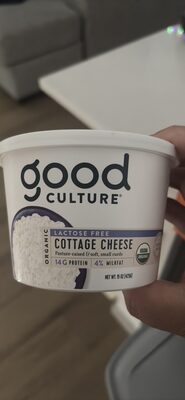
Cottage Cheese
Chef's Hacks
- Mix cottage cheese with fresh fruits and a drizzle of honey for a healthy breakfast.
- Use cottage cheese as a topping on whole-grain toast with avocado for a protein-packed snack.
- Incorporate cottage cheese into smoothies for added creaminess and protein.
Did You Know?
"Cottage cheese has been a staple in diets for centuries, historically made by draining curds from soured milk, which has roots in ancient civilizations."
The Showdown
Pros & Cons
Cottage Cheese
- Cottage cheese is high in protein which is essential for muscle repair and growth, making it a great choice for athletes and bodybuilders.
- This product features live and active cultures that promote gut health and digestion.
- Being primarily made with organic dairy ingredients, it’s a more natural option without unnecessary additives.
- Some may find the texture of cottage cheese unappealing compared to smoother dairy products.
- Contains a moderate amount of sodium due to added sea salt, which may not be suitable for those on low-sodium diets.
- While it has a lower carbohydrate content, it might not be sweet enough for those preferring sweeter flavors.
Icelandic Skyr
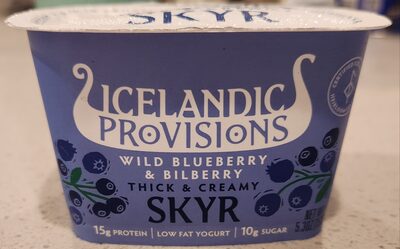
- Icelandic skyr has a pleasant sweetness from the added blueberries, appealing to those with a sweet tooth.
- It contains more calcium than cottage cheese, which helps in maintaining bone health.
- The presence of wild fruits not only enhances the flavor but also provides antioxidants that can contribute to overall health.
- The inclusion of cane sugar makes skyr a less ideal choice for those monitoring their sugar intake.
- Skyr is made from low-fat milk, which may not provide the creaminess some people desire in their dairy products.
- It contains additives like pectin and natural flavors that may not align with preferences for clean eating.
Flavor Profile
Flavor & Texture
Ingredient Quality
Nutritional Value
Value Verdict
A Better Alternative?
Greek yogurt is a fantastic alternative to both products due to its high protein content, lower sugar levels, and creamier texture, aligning well with both fitness enthusiasts and those seeking nutritious snacks.
If both A and B are disappointing, our experts recommend this healthier swap.
Make it a Meal
Try pairing the winner with Fresh Berries
"Pairing cottage cheese with fresh berries not only enhances the natural taste profile but also provides added vitamins and antioxidants, creating a nutrient-rich combination that satisfies both flavor and health."
Buy Fresh BerriesFinal Conclusion
In this detailed face-off between cottage cheese and Icelandic skyr, there are clear distinctions that cater to different dietary preferences and needs. Cottage cheese is positioned as an excellent high-protein, low-carbohydrate choice which is beneficial for those focusing on muscle building and maintaining satiety throughout the day. Its organic ingredients speak to a health-conscious audience seeking minimally processed options. On the other hand, skyr captivates with its delightful sweetness and higher calcium content, appealing particularly to those who prioritize flavor and fruit-based nutrition. Ultimately, the consumer's choice should align with their health goals, whether they are seeking a protein boost or a sweeter, fruit-infused dairy experience.
Share the Verdict
Help your friends eat smarter.
Frequently Asked Questions
Is cottage cheese a good source of protein?
Yes, cottage cheese is an excellent source of protein, providing about 11 grams of protein per serving, making it suitable for muscle recovery.
What makes skyr different from regular yogurt?
Skyr is thicker and creamier than traditional yogurt due to the straining process, and it often contains more protein while being lower in fat.

Icelandic Skyr
Chef's Hacks
- Serve Icelandic skyr topped with granola and sliced fruits as a delightful and nutritious breakfast.
- Blend skyr into pancake batter for light, fluffy, and nutrient-rich pancakes.
- Use skyr as a dip for fresh fruits, offering a sweet and tangy complement.
Did You Know?
"Skyr has been a part of Icelandic culture for over a thousand years and is often considered a national food of Iceland, traditionally made from sheep's milk before becoming popular with cow's milk."