
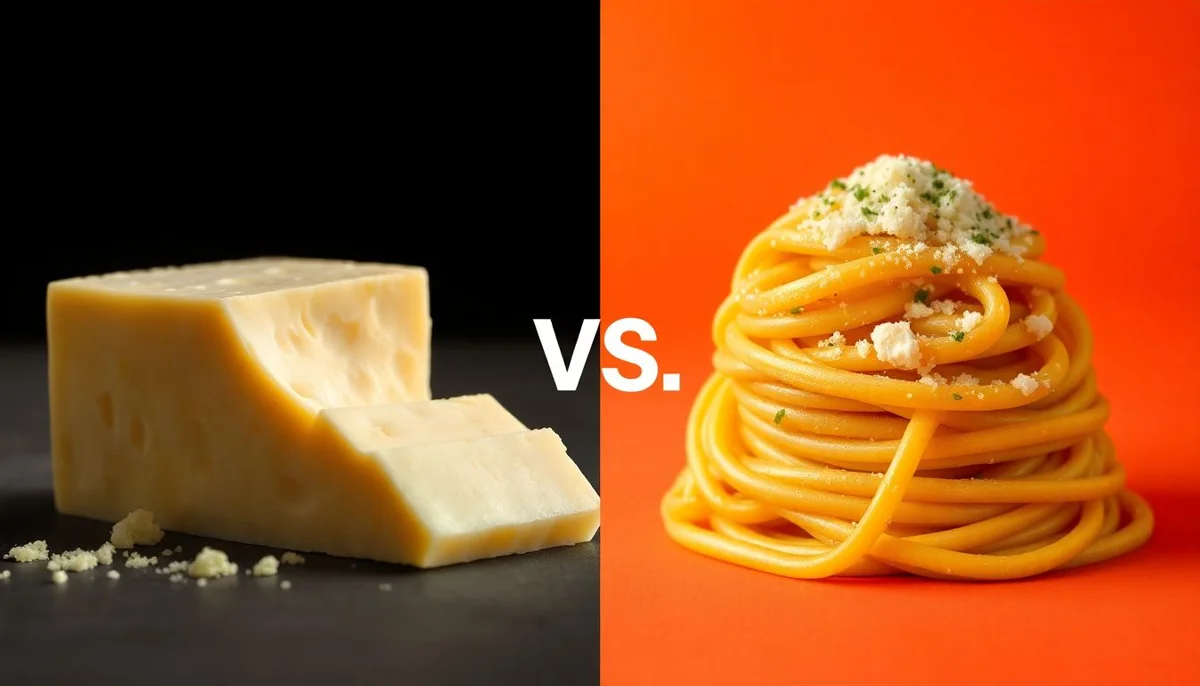
Grated Parmesan Cheese vs Penne & Four Cheese
Cheese lovers are often torn between convenience and purity. Let's dive deeper into the nutritional and ingredient differences between Grated Parmesan Cheese and Penne & Four Cheese.
Based on AI sentiment analysis
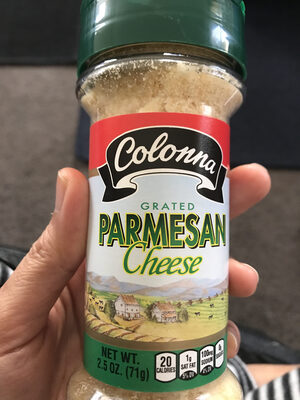
Parmesan Cheese
Chef's Hacks
- Sprinkle Grated Parmesan Cheese over steamed vegetables for a burst of flavor.
- Incorporate it into a homemade pesto sauce for enhanced creaminess.
- Use it as a topping for soups to enrich the flavor.
Did You Know?
"The origin of Parmesan dates back to the 12th century in Italy, where it begins its journey in making one of the world's favorite cheeses."
The Showdown
Pros & Cons
Parmesan Cheese
- Grated Parmesan Cheese is largely composed of pure cheese, making it a concentrated source of flavor and calcium without unnecessary additives.
- It contains no carbohydrates, making it an excellent option for individuals on low-carb diets or those aiming to reduce sugar intake.
- The product's limited ingredients emphasize its quality, featuring traditional cheese-making methods and minimal processing.
- While Grated Parmesan Cheese is flavorful, it might not be versatile enough for those seeking a complete meal.
- The addition of potassium sorbate, while generally recognized as safe, can be a concern for consumers preferring entirely natural products.
- It may not provide enough protein relative to its calorie content for individuals trying to increase their daily protein intake.
Four Cheese Pasta
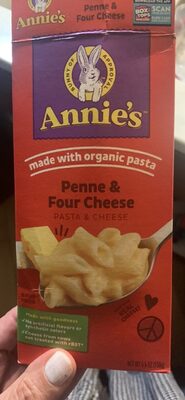
- Penne & Four Cheese is a ready-made meal option that combines multiple cheeses, providing a rich and creamy flavor experience.
- The inclusion of organic pasta gives it a wholesome base, appealing to those looking for organic food products.
- Being a complete meal, it offers a balanced blend of carbohydrates, fats, and proteins, making it convenient for quick dining.
- The ingredient list for Penne & Four Cheese is much longer, featuring additives such as sodium phosphate and annatto extract, which may deter health-conscious consumers.
- With significant carbohydrate content, this option may not suit those following low-carb or keto diets.
- The mix of different cheeses can mask the individual flavors, leading to an overall less distinctive taste profile.
Flavor Profile
Flavor & Texture
Ingredient Quality
Nutritional Value
Value Verdict
A Better Alternative?
A healthier alternative could be using a fresh, organic cheese blend as it avoids additives and provides natural flavors.
If both A and B are disappointing, our experts recommend this healthier swap.
Make it a Meal
Try pairing the winner with Red wine
"The acidity and richness of red wine complement the savory and creamy notes of cheese pasta beautifully, enhancing the overall dining experience."
Buy Red wineFinal Conclusion
In the face-off between Grated Parmesan Cheese and Penne & Four Cheese, we see clear differentiators that cater to different culinary needs. Product A is ideal for health enthusiasts or those craving a pure, calcium-rich cheese experience. Its fewer additives and high-quality components present it as a strong addition to various dishes without overpowering flavors. In contrast, Product B offers convenience and the enticing comfort of a mixed cheese pasta but falls short on ingredient integrity and can overwhelm the taste buds with its complexity. Ultimately, the choice between these two hinges on whether you prioritize health and purity over convenience and fullness.
Share the Verdict
Help your friends eat smarter.
Frequently Asked Questions
Is Grated Parmesan Cheese suitable for lactose-intolerant individuals?
While many lactose-intolerant individuals can tolerate Parmesan, it's best to consult with a healthcare provider.
How can I store leftover Penne & Four Cheese?
Store any leftovers in an airtight container in the refrigerator and consume within a few days for the best flavor.
Four Cheese Pasta
Chef's Hacks
- Serve Penne & Four Cheese with a side salad for a complete meal.
- Mix in some vegetables or meat to enhance the dish’s nutritional value.
- Bake with breadcrumbs for a crispy topping and added texture.
Did You Know?
"Pasta has been a staple in Italian cuisine for centuries, and the combination of pasta and cheese is believed to date back to ancient Roman times."