

Honey Mustard Dressing vs Mayonnaise
Who said dressings can't be filled with flavor and nutrients? Dive deep into our analysis of Honey Mustard Dressing versus Real Mayonnaise to find the best fit for your meals.
Based on AI sentiment analysis
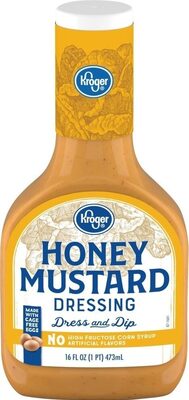
Honey Mustard
Chef's Hacks
- Drizzle over fresh salads to enhance the taste with a zesty flavor.
- Use as a marinade for grilled chicken or tofu to impart sweetness and tang.
- Mix into a potato salad for a unique twist that combines creaminess with zest.
Did You Know?
"Honey mustard dressing's roots can be traced back to the tradition of using honey as a sweetener in ancient culinary practices, which has evolved into various dressings worldwide."
The Showdown
Pros & Cons
Honey Mustard
- Honey Mustard Dressing contains honey, which adds a natural sweetness along with beneficial antioxidants.
- Its varied ingredients provide a range of flavors, making it suitable for salads, marinades, and sandwiches.
- The presence of Dijon mustard contributes a tangy complexity that enhances dishes beyond simple flavor.
- Contains a high sodium content which may not be suitable for those watching their salt intake.
- Includes several preservatives that may deter health-conscious consumers.
- The caloric density is relatively high, which could put off those seeking lighter dressings.
Mayonnaise
- Real Mayonnaise has a creamy texture that is unparalleled, perfect for dips and spreads.
- Contains whole eggs, providing a source of essential nutrients including vitamins A and D.
- It can serve as an excellent base for making other sauces and dressings.
- Mayonnaise is primarily made from oils and eggs, lacking diverse flavors found in dressings.
- It may contribute to higher cholesterol intake due to its egg content.
- With no fiber content, it doesn't offer the health benefits found in vegetables or whole foods.
Flavor Profile
Flavor & Texture
Ingredient Quality
Nutritional Value
Value Verdict
A Better Alternative?
A healthier alternative could be a homemade yogurt-based dressing that offers creaminess without preservatives and sugar, providing protein and probiotics.
If both A and B are disappointing, our experts recommend this healthier swap.
Make it a Meal
Try pairing the winner with Grilled Chicken
"Honey mustard dressing complements grilled chicken beautifully, offering a sweet contrast to the savory, charred flavor while maintaining a moist texture in the dish."
Buy Grilled ChickenFinal Conclusion
In conclusion, the choice between Honey Mustard Dressing and Real Mayonnaise ultimately depends on individual preferences and dietary needs. While Honey Mustard Dressing offers a delightful combination of sweetness and tang, making it an excellent choice for salads and marinades, Real Mayonnaise provides a creamy, high-fat option that may be more appealing for spreads and sauces. Those prioritizing flavor versatility would prefer Honey Mustard Dressing, while individuals seeking lower carbohydrate and caloric intake might favor Mayonnaise. Both products have their merits; therefore, selecting based on personal taste preferences and nutritional goals is key.
Share the Verdict
Help your friends eat smarter.
Frequently Asked Questions
Can I use honey mustard dressing as a marinade?
Absolutely! Its combination of sweet and tangy flavors works exceptionally well to tenderize and infuse meats.
Is mayonnaise suitable for vegan diets?
Traditional mayonnaise is not vegan due to its egg content; however, there are plant-based mayonnaise alternatives available on the market.
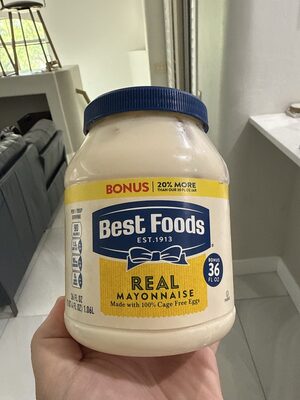
Mayonnaise
Chef's Hacks
- Perfectly paired with sandwiches to add a rich, creamy texture.
- Use as a base for creamy coleslaw dressing by mixing with shredded cabbage.
- Blend into dips to provide a thick and velvety mouthfeel.
Did You Know?
"Mayonnaise is believed to have originated in the 18th century and was named after the city of Mahón in Spain, where it was first created, showcasing its historical significance in culinary arts."