Back to ArenaCAKEID.VERSUS
Marinara Sauce vs Tomato Sauce: The Ultimate Comparison
Brutal Head-to-Head

Marinara Sauce vs Tomato Sauce: The Ultimate Comparison

Two iconic sauces grace our kitchens: Marinara and Tomato Sauce. But which one's healthier and tastier? Let's dive into the details.

The Quick Verdict
"Marinara Sauce stands out for its robust flavor profile, while Tomato Sauce excels in simplicity and low sugar content. Depending on your needs, one may be a clear winner over the other."
Marinara Sauce (65%)Tomato Sauce (35%)

Based on AI sentiment analysis

B
Contender A
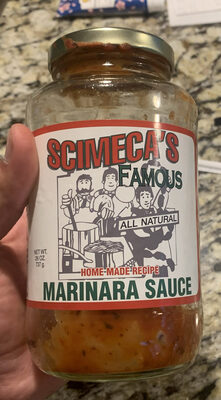
Marinara Sauce

Marinara Sauce

Best For
Best for flavor enthusiasts looking for a rich sauce that holds up in various recipes due to its robust ingredients.
Health Watch
Contains added sugar which may be detrimental for those watching their sugar intake.
Watch out for:
See Deal

Chef's Hacks

  • Use as a base for pasta dishes to enhance flavor complexity.
  • Make a savory pizza sauce that can elevate homemade pizzas.
  • Mix with sautéed vegetables for a hearty ratatouille.

Did You Know?

"Marinara Sauce has roots in Italian cooking dating back to the 18th century, traditionally made by fishermen ('marinai') returning from the sea, showcasing the strong cultural ties to seafood dishes."

The Showdown

Pros & Cons

Marinara Sauce

  • Rich and complex flavor profile due to a varied ingredient list including herbs and olive oil.
  • Contains natural ingredients that contribute to an authentic Italian taste.
  • Offers a blend of savory and slightly sweet notes from the addition of sugar.
  • Contains added sugar, which may be a concern for health-conscious consumers.
  • Higher in calories and sodium compared to Tomato Sauce.
  • Uses a higher degree of processed ingredients, as indicated by the NOVA group score.

Tomato Sauce

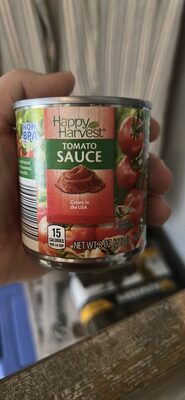
  • Contains no added sugars, making it a healthier choice for those watching their sugar intake.
  • Low in calories and carbohydrates, making it suitable for low-carb diets.
  • Simple ingredient list indicates a minimally processed product.
  • Lacks the rich, complex flavors found in Marinara Sauce, which may not satisfy all palates.
  • Limited herb and spice content might leave some flavor seekers wanting.
  • Potentially less versatile than Marinara Sauce in various culinary applications.

Flavor Profile

Flavor & Texture

When it comes to flavor and texture, Marinara Sauce presents a culinary experience bursting with depth and richness. The presence of olive oil not only enhances the sauce's mouthfeel, adding a silky texture, but also elevates its overall flavor through aromatic compounds. You can detect the subtle kick from red pepper flakes, which harmonizes with the essential taste of tomatoes while the garlic enhances its savory qualities. On the other hand, Tomato Sauce presents a more straightforward flavor profile. It is smoother and less chunky, owing to its primary base of pureed tomatoes. The balance of tomato and natural flavors leads to a lighter, fresher taste, but it may lack the richness that some sauce aficionados desire. Neither sauce leaves a particularly strong aftertaste, allowing them to pair well with many dishes without overpowering other ingredients, but the distinctive notes in Marinara might resonate longer due to its layered concoction of spices.

Ingredient Quality

Examining the ingredient quality of Marinara Sauce reveals a comforting blend of wholesome components like diced tomatoes and olive oil, which offer both health benefits and robustness in flavor. While the sauce does contain white sugar, which is often criticized for its negative health implications, it helps balance the acidity of the tomatoes and enhances the overall palate. Notably, some additives like citric acid and natural flavors are present, though they are fairly common in processed sauces. A higher NOVA group score indicates greater processing, which detracts from the perception of a 'cleaner' ingredient list. Conversely, Tomato Sauce is lauded for its simplicity, showcasing just tomato puree and minimal additives. It avoids added sugars entirely, which greatly aligns with health-conscious trends. The presence of dehydrated bell peppers, onion powder, and other natural flavors signifies an attempt to enhance taste without resorting to unnecessary additives. This foundation of fewer and more recognizable ingredients speaks highly of its overall quality, promoting a more natural food experience.

Nutritional Value

In a head-to-head nutritional comparison, Tomato Sauce clearly outshines Marinara Sauce in a few critical aspects. For starters, Tomato Sauce does not contain any added sugars, while Marinara Sauce includes white sugar, which can contribute to unnecessary caloric intake. In terms of calorie content, Marinara's extra ingredients make it considerably denser, often leading to a more significant number of calories per serving than Tomato Sauce. Moreover, Tomato Sauce's simplistic approach translates to lower carbohydrate levels—a key consideration for people following low-carb diets or managing diabetes. However, it's essential to note that while Marinara Sauce offers higher amounts of flavor and richness, its calorie count, sodium level, and sugar content could be drawbacks for individuals aiming for healthier eating practices. In summary, if one is looking for lower calorie and lower sugar options, Tomato Sauce may be the more appealing choice, while those seeking flavor might lean toward Marinara despite the nutritional trade-offs.

Value Verdict

When evaluating the value for money, Marinara Sauce has a slightly higher price tag but generally offers more in terms of flavor complexity. However, Tomato Sauce provides exceptional simplicity and lower pricing, appealing to those on a budget. Ultimately, purchasing either should consider how critical flavor versus health aspects are in your meal planning.

A Better Alternative?

Organic Marinara Sauce without added sugars would be an excellent alternative, as it provides the same rich flavor while avoiding processed sugars and artificial additives.

If both A and B are disappointing, our experts recommend this healthier swap.

Make it a Meal

Try pairing the winner with Garlic Bread

"The crunchy texture and buttery garlic flavor complement the acidity and richness of the sauces beautifully. The garlic enhances the umami notes in the sauces, creating a delightful balance."

Buy Garlic Bread

Final Conclusion

In the battle between Marinara Sauce and Tomato Sauce, each offers a unique set of benefits and drawbacks. Marinara entices with its layered flavors, herbs, and olive oil, ideal for those wanting a vibrant partner in their pasta or pizza. However, this richness comes alongside added sugars and calories which might deter the health-conscious diner. Conversely, Tomato Sauce provides a healthier, simpler option with the absence of added sugars and a minimalistic ingredient list, but it sacrifices complexity in flavor that some might find lacking. Ultimately, the choice comes down to individual preferences: while health and simplicity are epitomized by Tomato Sauce, flavor enthusiasts may find Marinara Sauce to be their ultimate delight.

Share the Verdict

Help your friends eat smarter.

Frequently Asked Questions

Can Tomato Sauce be used instead of Marinara?

Yes, Tomato Sauce can serve as a substitute in many recipes. However, keep in mind that it may lack the rich flavors of Marinara, so adjustments with herbs and spices might be necessary.

Is Marinara Sauce healthier than Tomato Sauce?

While Marinara Sauce has more complex flavors, it does contain added sugars which can impact health negatively. Tomato Sauce is generally a healthier choice due to its lower sugar content and simplicity.
A
Contender B
Tomato Sauce

Tomato Sauce

Best For
Best for health-conscious individuals and those preferring simplicity in their sauces without added sugar.
Health Watch
Relies on 'natural flavors', which some consumers might find ambiguous.
Watch out for:
See Deal

Chef's Hacks

  • Serve as a dipping sauce for appetizers like mozzarella sticks.
  • Use in chili recipes to add a subtle tomato flavor without overpowering spice.
  • Blend into soups to achieve a fresh tomato flavor.

Did You Know?

"Tomato Sauce is often considered one of the simplest sauces, with origins intertwined with the widespread consumption of tomatoes that began in the Americas during the 16th century."