
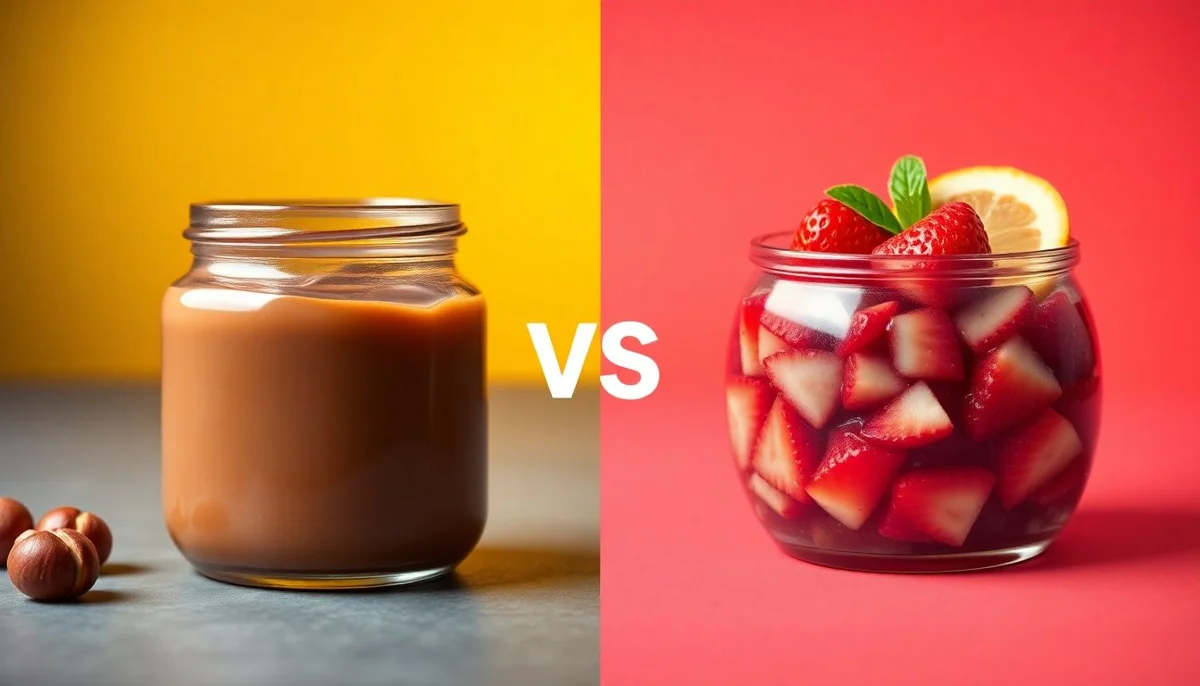
Hazelnut Spread vs Sugar-Free Fruit Spread
Two pantry staples go head-to-head: a classic hazelnut spread and a no-sugar-added fruit blend. Which one should land on your shelf based on ingredients, nutrition, and real-world use?
Based on AI sentiment analysis
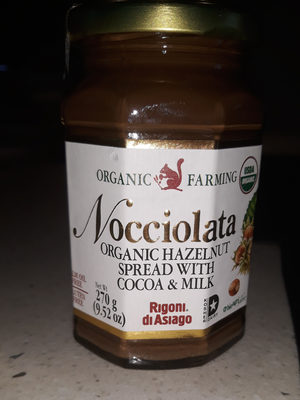
Hazelnut Spread
Chef's Hacks
- Spread over whole-grain toast with sliced banana for a hearty breakfast that balances fats, protein, and carbohydrate load.
- Use as a decadent filling for homemade pastries or chocolate-hazelnut truffles to showcase its creamy texture and chocolate flavor.
- Swirl a dollop into oatmeal or yogurt to elevate the dish with a rich, dessert-like note without abandoning the savory breakfast routine.
Did You Know?
"Hazelnuts have long been celebrated in Mediterranean and European cuisines for their rich fat profile, particularly oleic acid, which is associated with heart-healthy benefits when consumed as part of a balanced diet."
The Showdown
Pros & Cons
Hazelnut Spread
- Natural ingredient list featuring recognizable foods (hazelnuts, cocoa, skim milk, sunflower oil).
- Creamy texture from hazelnut paste and cocoa components that pair well with breads, fruits, and desserts.
- Versatile use cases across breakfast, baking, and snacking, offering a familiar flavor for many bakers and home cooks.
- Very high carbohydrate and sugar content per serving, increasing energy density and potential blood sugar impact.
- Contains dairy (skim milk powder), which excludes dairy-free consumers and may pose allergen concerns.
- Lack of fiber data and potentially elevated caloric load per serving can impact daily intake if consumed liberally.
Fruit Spread
- No sugar added using sugar substitutes and fruit-derived sweetness, resulting in a lower calorie and carbohydrate footprint per serving.
- Appealing fruit-forward flavor with multiple fruit components that can feel lighter and more refreshing than a chocolate-hazed spread.
- Potentially better compatibility with weight-conscious goals and reduced sugar intake when used in moderation.
- Frequent reliance on artificial sweeteners and sugar alcohols (sorbitol) which may cause GI discomfort in some individuals and lack of natural sweetness can be noticeable.
- Contains many additives, flavorings, and colorings that some consumers prefer to avoid, including polysorbate 80 and beet color.
- Not as versatile in savory or rich dessert applications compared to a traditional hazelnut spread; flavor may be perceived as more limited.
Flavor Profile
Flavor & Texture
Ingredient Quality
Nutritional Value
Value Verdict
A Better Alternative?
100% natural hazelnut butter with cacao (no added sugar) — offers rich nutty flavor with far fewer additives and no refined sugar, appealing to purists who want a cleaner ingredient list.
If both A and B are disappointing, our experts recommend this healthier swap.
Make it a Meal
Try pairing the winner with Crisp apple slices with a light drizzle of the hazelnut spread
"The apple’s tartness and crisp texture balance the spread’s creamy decadence, creating a dynamic contrast of textures while complementing the nutty cocoa flavor. The pairing highlights the spread’s chocolatey profile and the fruit’s natural brightness without overwhelming the palate."
Buy Crisp apple slices with a light drizzle of the hazelnut spreadFinal Conclusion
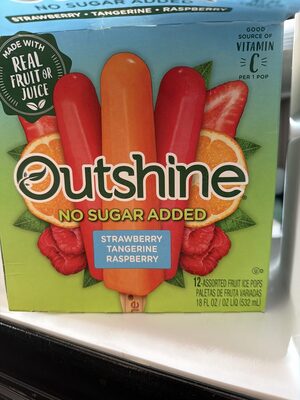
In the head-to-head between Organic Hazelnut Spread With Cocoa and the No Sugar Added Strawberry • Tangerine • Raspberry spread, the choice ultimately centers on what you value most: macro-friendly nutrition and no-sugar intent, or classic indulgence and texture. Product B clearly dominates on macros, delivering fewer carbohydrates and far fewer calories per serving, which aligns with many contemporary dietary goals. Yet Product A remains the crowd-pleasing option for those seeking a deeply comforting, chocolate-hazelnut experience with a smooth, luxurious mouthfeel and broad culinary versatility. The ingredient story also tilts the scale: A emphasizes familiar, natural ingredients; B leans on a sugar-free strategy that relies on sweeteners and a robust additive list to achieve taste and texture. For families or individuals prioritizing reduced sugar intake and a lower caloric plunge per serving, B is a practical choice. For those who crave a richer dessert-like spread and a more traditional ingredient set, A delivers a more indulgent, satisfying experience. In practical terms, your selection should reflect your daily dietary goals, your tolerance for artificial sweeteners and additives, and the flavor profile you enjoy most on a given day. Both products offer distinct pleasures and potential drawbacks, so rotating between them could be a way to enjoy the best of both worlds while maintaining balance.
Share the Verdict
Help your friends eat smarter.
Frequently Asked Questions
Is Product B truly sugar-free?
Product B is labeled as no sugar added and uses sugar substitutes and sugar alcohols to achieve sweetness. While it reduces sugar grams, the product may still contribute some carbohydrates and can cause digestive discomfort for some individuals if consumed in large amounts.
Which product is better for kids?
If sugar intake is the primary concern, Product B offers a lower-sugar option. If kids enjoy a richer chocolate-hazelnut flavor, Product A may be more appealing but comes with higher sugar and energy. Moderation and portion control are key for both products, and the choice might depend on the child's tolerance to artificial sweeteners and flavor preferences.
Fruit Spread
Chef's Hacks
- Stir into plain yogurt with fresh berries for a sugar-conscious parfait that emphasizes fruit flavors.
- Dillute with water or sparkling water and a squeeze of lemon to create a fruity spread for light crostini or as a topper for pancakes.
- Blend with cottage cheese or ricotta to craft a creamy, lower-calorie dessert or snack that preserves the no-sugar-added promise.
Did You Know?
"Fruit spreads without added sugar often rely on natural fruit sugars and polyols; in some markets, these products were popularized as a way to reduce calorie intake while preserving a familiar fruit-forward taste."