
Sprouted Seeds vs Yeast Showdown
Two pantry staples, one for crunch and another for vegan umami, go head-to-head in nutrition, flavor, and versatility. The winner depends on what you value most: clean simplicity or vitamin-powered flair.
Based on AI sentiment analysis
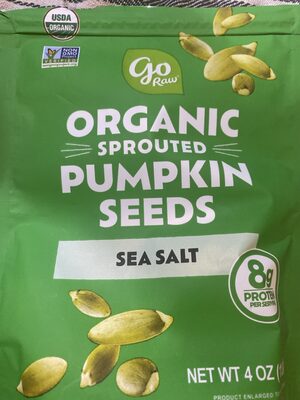
Sprouted Seeds
Chef's Hacks
- Sprinkle over yogurt, fruit bowls, or oats to add a crunchy, savory bite without added sugars.
- Top salads and grain bowls for a nutty texture and fiber boost; pair with a splash of olive oil and lemon for brightness.
- Blend into homemade trail mix with dried fruit and seeds for a quick, healthful snack on the go.
Did You Know?
"Sprouted pumpkin seeds can be more digestible than roasted seeds, and sprouting helps reduce some anti-nutrients, potentially improving mineral absorption. Pumpkin seeds have historically been used as a nutritious staple across various cuisines, celebrated for their healthy fats, protein, and mineral content."
The Showdown
Pros & Cons
Sprouted Seeds
- Very clean ingredient list with organic sprouted pumpkin seeds and sea salt; no added sugars.
- Minimal processing and a natural, savory crunch that works well as a snack or topping.
- Sprouting can enhance mineral availability and digestibility compared to unsprouted seeds (conceptually discussed in sprouted-seed literature).
- Nutritional data is incomplete for some macros (e.g., protein content and precise sodium per serving), which makes full macro comparison harder.
- Sodium content depends on the sea salt amount and cross-contact risk exists with sesame/coconut in processing facilities.
- Only one flavor profile (savory salty) is provided, offering less culinary versatility than a flavored yeast product.
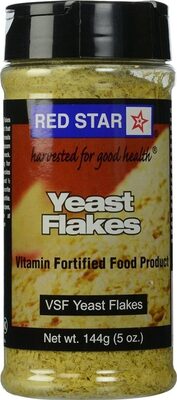
Nutritional Yeast Flakes
- Rich in B-complex vitamins through fortification, making it a practical vegan nutrient boost.
- Low sugar by design, with a modest carbohydrate load per serving and a sinuous, cheesy flavor profile that enhances many dishes.
- Versatile as a topping or mix-in for savory dishes, popcorn, potatoes, and vegan cheese alternatives.
- Contains synthetic additives/vitamin forms (e.g., Pyridoxine Hydrochloride, Thiamin Hydrochloride, Niacin, B12) which some consumers prefer to avoid.
- Flavor relies on fortified yeasts, which may not appeal to all palates and can feel more processed than whole-food snacks.
- Higher reliance on fortification may lead to overconsumption if not portion-controlled, especially in conjunction with other fortified foods.
Flavor Profile
Flavor & Texture
Ingredient Quality
Nutritional Value
Value Verdict
A Better Alternative?
Raw unsalted pumpkin seeds (healthier for those avoiding added salt or seeking an even purer seed profile).
If both A and B are disappointing, our experts recommend this healthier swap.
Make it a Meal
Try pairing the winner with Apple slices with Greek yogurt
"The tangy yogurt provides creaminess to balance the crunch and saltiness of the seeds, while apple sweetness brightens the palate, creating a harmonious contrast between textures and flavors."
Buy Apple slices with Greek yogurtFinal Conclusion
In this face-off between Sprouted Pumpkin Seeds and Fortified Nutritional Yeast, the choice ultimately hinges on what you value most in a snack or ingredient. Product A wins on health-forward simplicity: it champions an organic, sprouted seed base with zero added sugars and a minimal ingredient list. For those prioritizing natural eating, digestibility considerations from sprouting, and a straightforward salty-nut flavor, A stands as the stronger option. Product B, however, captures the imagination of vegans and cooks seeking a robust umami boost and vitamin fortification. Its flavor profile can elevate soups, sauces, and popcorn, and its vitamins offer practical daily supplementation, particularly in plant-based diets. Yet this comes with synthetic additives and a more processed footprint, which may reduce its appeal for purists. The best approach is to align your choice with dietary goals: if you want a clean, crunchy snack, reach for A; if you want a nutrient-dense flavor enhancer, keep B on hand. Ultimately, many kitchens will benefit from having both: A for snacking and topping with minimal processing, B for culinary depth and nutritional fortification when the need arises. (Min 100 words)
Share the Verdict
Help your friends eat smarter.
Frequently Asked Questions
Is there added sugar in either product?
Product A has 0 added sugars per serving as indicated; Product B does not list added sugars either, focusing instead on fortified vitamins and yeast-derived flavor.
Which is better for someone with sesame allergy?
Product A carries a cross-contact caveat because the sea salt is produced in a facility that processes sesame seeds, so individuals with sesame allergies should exercise caution. Product B contains no sesame-related ingredients but should be reviewed for any other allergen considerations in a diverse diet.
Nutritional Yeast Flakes
Chef's Hacks
- Stir into mashed potatoes or bland soups to impart a cheesy, umami depth without dairy.
- Dust over popcorn with a light spray of oil for a vegan movie-night topping.
- Add to vegan cheese sauces or casseroles to amplify flavor and vitamin content.
Did You Know?
"Nutritional yeast was discovered and popularized as a byproduct of the beer brewing process and is now widely used as a vegan cheese substitute due to its naturally savory, umami-rich flavor and high B-vitamin content."