
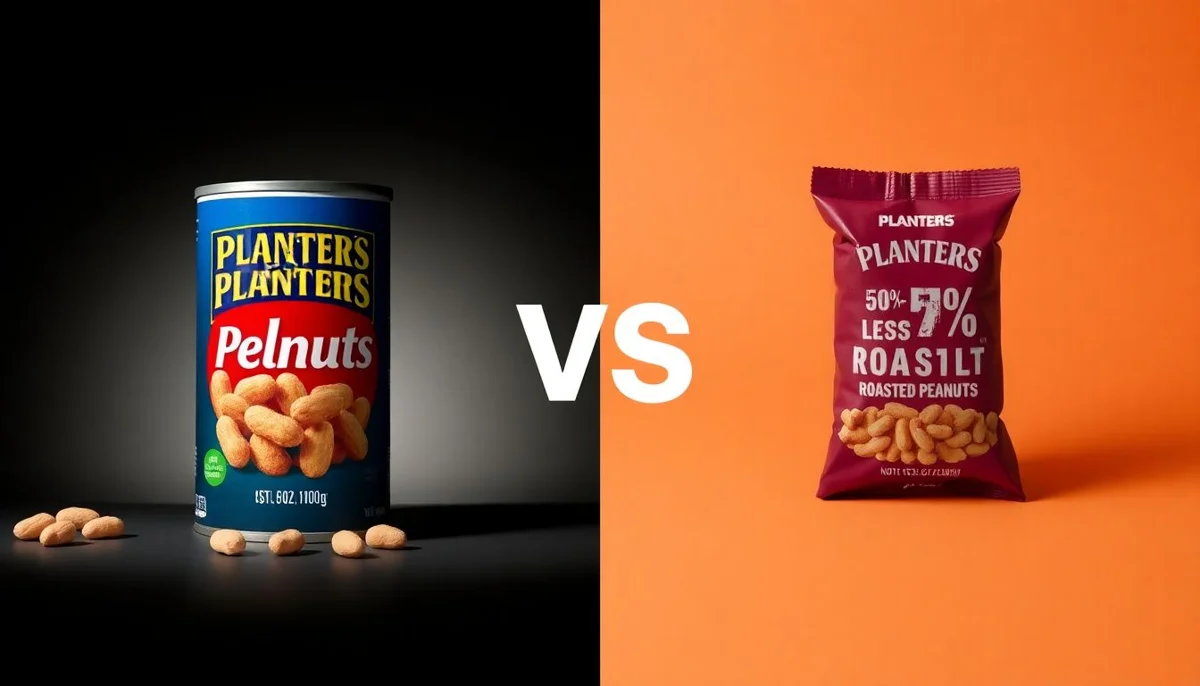
Planters Peanuts Comparison: Classic vs Low Salt
Peanuts are a beloved snack, but how do the classic salted version measure up against a low-salt alternative? Let's delve into the ingredients and nutritional facts to determine which option might be better for you.
Based on AI sentiment analysis

Planters Salted Peanuts
Chef's Hacks
- Toss into a stir-fry for an added crunch and salty flavor.
- Mix with dried fruits for a homemade trail mix.
- Use as a topping for your favorite salad to enhance texture.
Did You Know?
"Peanuts are not true nuts; they are legumes, belonging to the same family as peas and beans, and are often referred to as groundnuts."
The Showdown
Pros & Cons
Planters Salted Peanuts
- Offers a full and robust flavor that many peanut lovers prefer, thanks to the added sea salt.
- Simple ingredient list, showcasing only peanuts, peanut oil, and sea salt, allowing for a natural taste.
- Rich in healthy fats and protein, which can contribute to satiety and energy.
- High in sodium, which can be a concern for those managing blood pressure or sodium intake.
- Caloric density may lead to overconsumption if not portioned correctly.
- Lacks diversity in flavor due to the straightforward seasoning.
50% Less Salt Roasted Peanuts
- Significantly lower in sodium, making it a heart-healthier choice for those needing to monitor salt intake.
- Uses a blend of peanut oil and sunflower seed oil, providing a potentially healthier fat profile.
- maintains a straightforward ingredient list while offering a milder taste.
- The reduction in salt may lead to a less flavorful experience for those who prefer their peanuts more seasoned.
- Potentially higher caloric content per serving than expected due to the different oil blend.
- Still retains a similar carbothydrate profile, meaning calorie watchers must gauge portion sizes.
Flavor Profile
Flavor & Texture
Ingredient Quality
Nutritional Value
Value Verdict
A Better Alternative?
Nuts without added salt or oils are a healthier alternative as they provide essential nutrients without unnecessary sodium or processed ingredients.
If both A and B are disappointing, our experts recommend this healthier swap.
Make it a Meal
Try pairing the winner with Dark Chocolate
"The bitter notes of dark chocolate balance the salty, nutty flavors of peanuts, creating a deliciously rich and satisfying combination."
Buy Dark ChocolateFinal Conclusion
In conclusion, both Planters Salted Peanuts and 50% Less Salt Roasted Peanuts hold their own in the snack aisle, each catering to different consumer needs and preferences. While the classic peanuts offer a more intense flavor profile and satisfying crunch thanks to the higher sodium content, they may not appeal to those managing dietary sodium. On the other hand, the reduced-salt option shines as a healthier choice, but this comes at the cost of flavor intensity. Ultimately, the decision boils down to individual dietary priorities: if you're aiming for flavor and energy, the classic peanuts may be your go-to, but if health and lower sodium intake are paramount, the 50% Less Salt Roasted Peanuts stands out.
Share the Verdict
Help your friends eat smarter.
Frequently Asked Questions
Are peanuts healthy?
Yes, peanuts are a great source of protein, healthy fats, and various vitamins and minerals but should be consumed in moderation due to potential high calorie and sodium content.
Can I use peanuts in cooking?
Absolutely! Peanuts can be a versatile ingredient in many dishes ranging from stir-fries to desserts, providing both flavor and nutritional benefits.
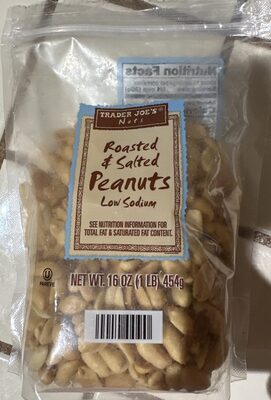
50% Less Salt Roasted Peanuts
Chef's Hacks
- Great for creating a milder peanut butter for sandwiches.
- Sprinkle over popcorn for a unique snack experience.
- Blend into smoothies for added protein without overpowering flavors.
Did You Know?
"The roasting process for peanuts can enhance their flavor profile significantly, making them a popular choice in snacks worldwide."