
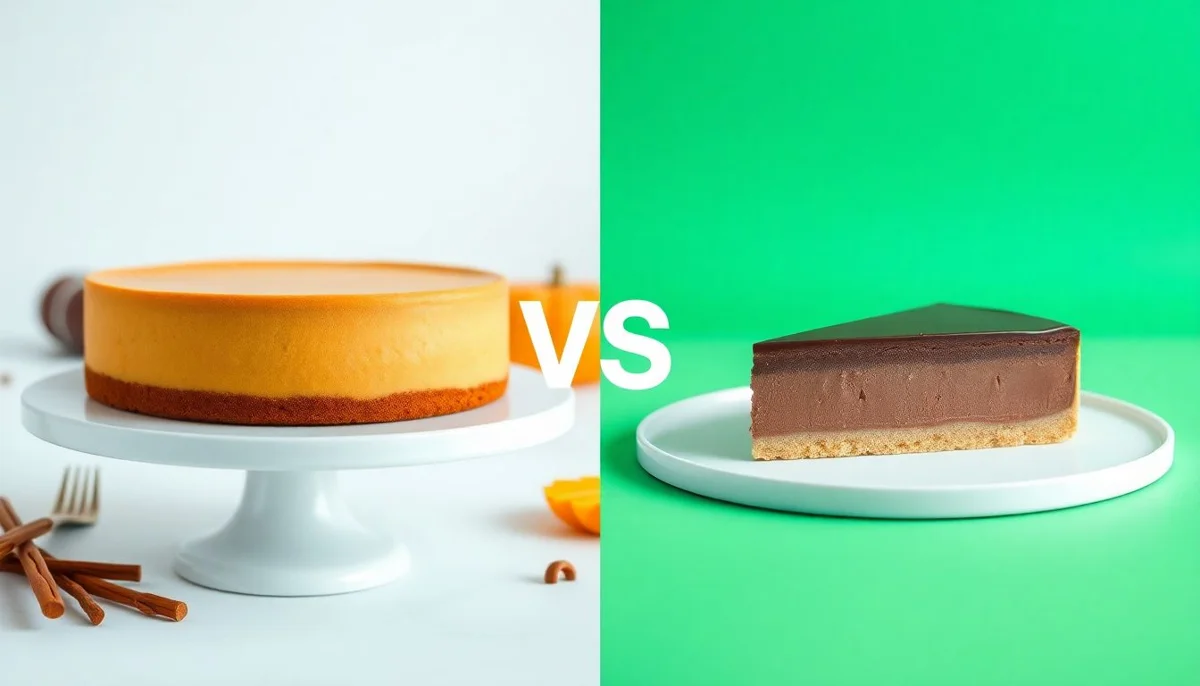
Pumpkin Cheesecake Cookies vs Chocolate Cheesecake
Two decadent treats vie for your dessert affection. Will the seasonal spice of pumpkin or the classic indulgence of chocolate claim victory?
Based on AI sentiment analysis
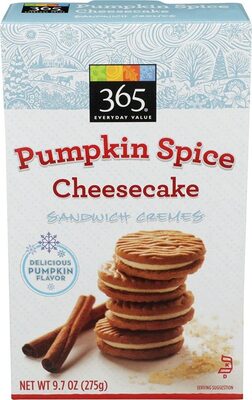
Pumpkin Spice Cheesecake
Chef's Hacks
- Serve alongside a warm spiced chai for a complete autumn-inspired treat.
- Crumble on top of oatmeal or yogurt for added flavor and texture.
- Incorporate into a dessert charcuterie board.
Did You Know?
"Pumpkin spice is a blend of spices typically associated with fall desserts, but it has roots that date back to the early colonial days when spices were combined to enhance the flavors of food during long winters."
The Showdown
Pros & Cons
Pumpkin Spice Cheesecake
- The incorporation of organic pumpkin seed powder adds nutritional value and a unique flavor that reflects the seasonal essence of fall.
- Lower carbohydrate content means it's potentially more suitable for those monitoring their carb intake, making it a slightly healthier option.
- The blend of natural flavors and spices creates an aromatic and comforting experience that captures the essence of pumpkin spice.
- The ingredient list contains several additives and colorants, which may concern health-conscious consumers.
- It has high sugar content that could lead to unwanted spikes in blood sugar levels.
- Limited nutritional benefits overall, with negligible amounts of calcium and protein.
Cheesecake Chocolate
- The rich chocolate flavor caters to a wide audience and fulfills dessert cravings effectively.
- Contains a moderate amount of protein, which is beneficial in curbing hunger and aiding in muscle repair.
- Higher fat content provides creaminess, contributing to a fulfilling mouthfeel.
- Higher carbohydrate and fat content may not align with the dietary preferences of individuals on particular health plans.
- Potentially too sweet for some consumers, which could detract from the overall cheesecake experience.
- The addition of artificial flavors and preservatives diminishes its appeal for buyers seeking natural options.
Flavor Profile
Flavor & Texture
Ingredient Quality
Nutritional Value
Value Verdict
A Better Alternative?
A great alternative could be a homemade pumpkin spice cheesecake made with natural ingredients, offering healthier sugar substitutes and better quality cream, making it a nutritious yet indulgent option.
If both A and B are disappointing, our experts recommend this healthier swap.
Make it a Meal
Try pairing the winner with Chai Latte
"The warm spices of a chai latte balance the sweetness of the Pumpkin Spice Cheesecake Sandwich Cremes beautifully, enhancing the overall flavor experience."
Buy Chai LatteFinal Conclusion
In the battle for the best cheesecake-inspired treat, both Product A, the Pumpkin Spice Cheesecake Sandwich Cremes, and Product B, Cheesecake Chocolate, present their own unique allure. Product A catches the eye with its seasonal flavor and lower carbohydrate content, appealing to those craving the warmth of pumpkin spice. However, Product B, with its rich chocolate experience and slightly better nutritional profile, aligns well with traditional dessert preferences. The decision ultimately hinges on the consumer's flavor preference—whether the comforting spices of pumpkin or the luxurious decadence of chocolate resonates more. Regardless, both options provide enjoyable indulgences that merit a spot in your treat repertoire.
Share the Verdict
Help your friends eat smarter.
Frequently Asked Questions
Is Product A suitable for gluten-free diets?
No, Product A contains unbleached enriched wheat flour, making it unsuitable for gluten-free diets.
Can I freeze the cheesecake chocolate?
Yes, you can freeze the Cheesecake Chocolate for later enjoyment, although textures may vary when thawed.
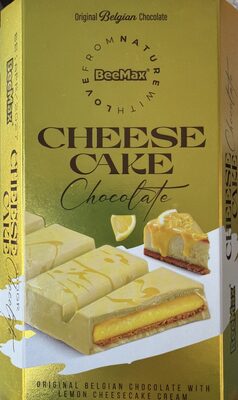
Cheesecake Chocolate
Chef's Hacks
- Pair with a scoop of vanilla ice cream for a classic dessert combination.
- Use as a filling for homemade crepes or pancakes.
- Incorporate into a chocolate mousse for added flavor complexity.
Did You Know?
"Chocolate originates from the cacao bean, which has been cultivated in Central and South America for over 3,000 years, long before European contact, and it was once used as currency by ancient civilizations."