Back to ArenaCAKEID.VERSUS
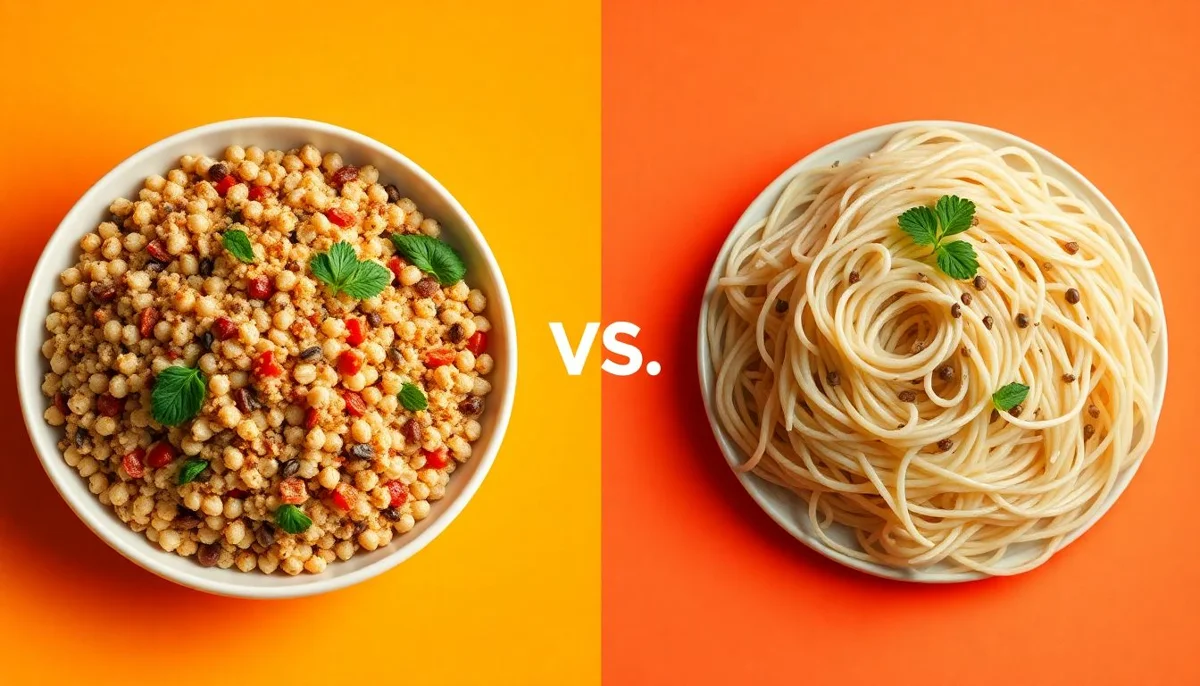
Quinoa Blend vs Rice Noodles Comparison
Brutal Head-to-Head

Quinoa Blend vs Rice Noodles Comparison

Choosing between Quinoa Blend and Rice Noodles can be a culinary conundrum, especially if you're aiming for health and flavor. Let's delve deep into their ingredients and nutrition to determine which option fits your lifestyle better.

The Quick Verdict
"Overall, the Quinoa Blend emerges as the healthier choice, boasting a richer nutritional profile. Meanwhile, the Rice Noodles offer simplicity and versatility for various dishes."
Quinoa Blend (65%)Rice Noodles (35%)

Based on AI sentiment analysis

B
Contender A
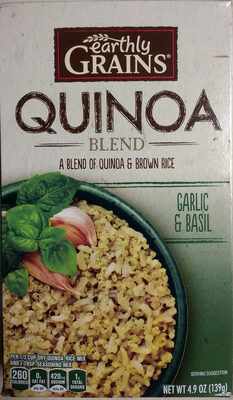
Quinoa Blend

Quinoa Blend

Best For
Best for health-conscious individuals and those looking for complex carbohydrates and protein because it provides a nutrient-rich alternative.
Health Watch
Contains added sugars and processed ingredients.
Watch out for:
See Deal

Chef's Hacks

  • Enhance a salad as a protein-rich base or side dish.
  • Use as a hearty filling for wraps or stuffed peppers.
  • Combine with sautéed vegetables for a nutritious stir-fry.

Did You Know?

"Quinoa was regarded as 'the mother grain' by the Incas and is considered a superfood for its complete protein content."

The Showdown

Pros & Cons

Quinoa Blend

  • Rich in protein and fiber, making it a filling option.
  • Contains a variety of spices and natural flavors that enhance its taste.
  • Its diversity in grains lends it a unique texture and flavor.
  • Contains maltodextrin and added sugar, which may be concerning for health-conscious individuals.
  • Includes fat from oil, although it's not excessive.
  • Might not be suitable for those avoiding gluten or certain carbohydrate types.

Rice Noodles

  • Designed for simplicity, with minimal processing involved.
  • Completely free from added sugars, making it an excellent choice for sugar-conscious eaters.
  • Versatile and quick to prepare, easily pairing with various sauces and toppings.
  • Lacks significant nutritional variety, primarily offering carbohydrates without much fiber or protein.
  • Limited flavor profile due to the basic ingredient list.
  • Does not include any vitamins or minerals.

Flavor Profile

Flavor & Texture

The Quinoa Blend presents a chewy and hearty texture characterized by the firm grains of quinoa combined with the tender long-grain brown rice. Its rich medley of flavors, thanks to the garlic powder and spices like basil and black pepper, offers a delightful experience from the first bite. The subtle hint of sweetness from the added sugar is balanced well by the savory elements. In contrast, Rice Noodles have a more delicate texture that is silky and smooth, depending heavily on the sauce or toppings used to provide flavor. The absence of complex flavors may make Rice Noodles feel bland unless enhanced with rich sauces or seasonings. While the Quinoa Blend leaves a satisfying umami aftertaste, the Rice Noodles, if not dressed up, may leave a more neutral aftertaste that quickly dissipates.

Ingredient Quality

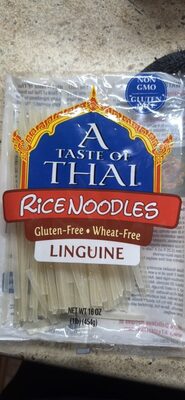
Examining the ingredient list reveals notable distinctions between the two products. The Quinoa Blend includes quinoa and a pre-cooked parboiled long-grain brown rice, both of which are regarded as healthier grains thanks to their protein and fiber content; however, it also has maltodextrin and sunflower oil powder—additives that could raise concerns among health enthusiasts. Maltodextrin is a processed carbohydrate derived from starch and could potentially spike blood sugar levels. The use of modified cornstarch in the oil powder may also deter those seeking to avoid processed ingredients. In contrast, the Rice Noodles consist of just three ingredients: rice flour, water, and modified tapioca starch. This purity makes it easier for consumers to understand what they are eating and represents a less processed choice. However, it comes with the drawback of lacking complex carbohydrates and diverse nutrients available in whole grains, as found in the Quinoa Blend.

Nutritional Value

When comparing the macros of these two products, the Quinoa Blend generally provides a healthier profile. It has higher protein content because of the quinoa, along with 72.9g of carbohydrates in a 100g serving, which includes dietary fiber, likely making it more filling. Furthermore, its fat content (at approximately 5.7g) mainly comes from healthy sources like sunflower oil. Conversely, the Rice Noodles present 78.9g of carbohydrates with no added sugars, but the lack of fiber makes them less satisfying in terms of fullness. While they are lower in overall calories, their simplistic composition fails to offer optimal nutritional value. Ultimately, the Quinoa Blend, with its balance of macronutrients and additional vitamins from spices, makes it the more nutritious option.

Value Verdict

While both products offer unique features, the Quinoa Blend, though more expensive, offers better nutritional value and versatility, making it worth the investment for health-conscious consumers. Rice Noodles are budget-friendly and easy to cook, but their simplicity could leave you wanting in terms of flavor and nutrients.

A Better Alternative?

Brown rice is a healthier alternative to consider as it provides whole grains, fiber, and essential nutrients without any added sugars or processed components.

If both A and B are disappointing, our experts recommend this healthier swap.

Make it a Meal

Try pairing the winner with Teriyaki Chicken

"The sweet and savory notes of teriyaki chicken complement the nuttiness of Quinoa Blend, while also adding flavor to the relatively plain Rice Noodles."

Buy Teriyaki Chicken

Final Conclusion

In summary, while both Quinoa Blend and Rice Noodles offer distinct advantages, the Quinoa Blend stands out for its nutritional benefits, providing a more balanced profile of proteins, carbs, and healthy fats. Its diverse spices and flavors contribute to a satisfying dish that can be enjoyed on its own or as a complement to various meals. On the other hand, the Rice Noodles have their own merits, including simplicity and versatility, especially in Asian dishes. However, they lack the health benefits that come with whole grains and complex nutrients. For those seeking a nutrient-dense food that can fill you up with good taste, Quinoa Blend is the clear winner.

Share the Verdict

Help your friends eat smarter.

Frequently Asked Questions

Can I use Quinoa Blend for weight loss?

Yes, it contains protein and fiber that promote satiety, helping to manage appetite during weight loss.

Are Rice Noodles gluten-free?

Yes, they are made from rice and are a safe choice for those with gluten intolerances.
C
Contender B
Rice Noodles Linguine

Rice Noodles

Best For
Best for quick meal preppers or those seeking gluten-free options as it is easy to cook and pair with various toppings.
Health Watch
Limited nutritional variety and content.
See Deal

Chef's Hacks

  • Pair with rich Asian sauces for a delightful stir-fry.
  • Serve as a base for light salads with fresh vegetables.
  • Mix with scrambled eggs and vegetables for a quick breakfast.

Did You Know?

"Rice noodles have been a staple in Asian cuisine for centuries, conducive to gluten-free diets as they are primarily made from rice flour."