
Shrimp Ramen Express vs Chicken Noodle
Two popular noodle bowls go head-to-head in a quick, pantry-friendly showdown. One leans into bold shrimp-forward seasoning with dried veggie inclusions, while the other leans on classic chicken flavor boosted by common taste enhancers.
Based on AI sentiment analysis
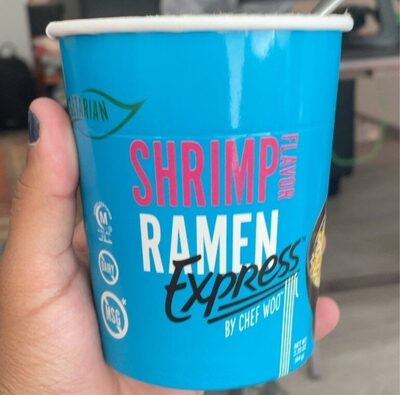
ShrimpExpress
Chef's Hacks
- Turn the shrimp ramen into a quick stir-fry by tossing in a handful of fresh shrimp, snap peas, and scallions; finish with a splash of lime and sesame oil for a bright finish.
- Add a soft-boiled egg and sliced cucumber for a balanced bowl that leans into a lunch-friendly, protein-enhanced version.
- Enhance with extra vegetables (spinach, mushrooms) and a drizzle of chili oil to create a ramen-that-fills-the-gap between a meal and a snack.
Did You Know?
"Ramen as we know it was popularized in Japan in the early 20th century, with instant ramen invented by Momofuku Ando in 1958, transforming it into a global pantry staple with countless flavor varieties including shrimp-forward profiles."
The Showdown
Pros & Cons
ShrimpExpress
- Stronger shrimp-forward taste achieved through a blend of seasonings, yeast extract, hydrolyzed proteins, and natural flavors.
- Inclusions of dried vegetables (carrot, peas, corn) provide some texture and micro-nutrition cue while cooking.
- Noodle base built from enriched wheat flour supports familiar chew and mouthfeel typical of ramen.
- Contains palm oil and an array of additives (caramel color, maltodextrin, hydrolyzed ingredients) that raise concerns for clean-label followers.
- Higher carbohydrate load (37 g per serving) may contribute to higher glycemic impact for some diners.
- Allergen considerations include wheat and soy; not suitable for gluten-free or soy-free diets.
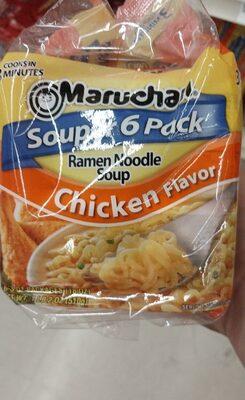
ChickenNoodle
- Lower calorie per serving (190 kcal) which can appeal to those watching daily energy intake.
- Includes dehydrated vegetables and a chicken-flavor base that many consumers find comforting and familiar.
- Widely distributed flavor profile featuring MSG and other enhancers that boost umami, delivering satisfying taste quickly.
- Reliance on flavor enhancers such as monosodium glutamate, disodium inosinate, and disodium guanylate may be a turn-off for sensitive consumers.
- Processed ingredients and small-additive approach (maltodextrin, lactose) reduce the clean-label appeal.
- Potentially higher sodium exposure implied by salt content and flavor boosters, though exact sodium data is not provided.
Flavor Profile
Flavor & Texture
Ingredient Quality
Nutritional Value
Value Verdict
A Better Alternative?
Low-sodium whole-grain ramen with real vegetable seasoning blend for cleaner label and balanced macros.
If both A and B are disappointing, our experts recommend this healthier swap.
Make it a Meal
Try pairing the winner with Green tea and cucumber sesame salad
"The clean, slightly astringent notes of green tea pair well with a savory, umami-forward ramen, while the cucumber salad adds refreshing crunch and a light balance to the salt and fat in the bowls. Sesame seeds bring a toasty note that complements both shrimp and chicken profiles without overpowering them."
Buy Green tea and cucumber sesame saladFinal Conclusion
In this head-to-head between Shrimp Ramen Express and Chicken Noodle, Product A carries the weight of a more substantial eating experience. Its higher energy content and inclusion of dried vegetables contribute to a perception of greater meal completeness, which can be a decisive factor for individuals seeking a satisfying, grab-and-go option that keeps them fuller longer. Product B, while lighter in calories and widely familiar in taste, relies more heavily on flavor enhancers to deliver a satisfying mouthfeel, which may deter those seeking a cleaner-label option or a more traditional, less processed noodle experience. The choice ultimately hinges on personal priorities: if you want robust flavor and a more filling meal, A is the stronger pick; if you want something lighter for a quick snack or a calorie-controlled meal, B offers a viable alternative. Regardless of choice, both products demonstrate the enduring appeal of ramen as a quick, versatile meal with room for customization through add-ins and pairing ideas.
Share the Verdict
Help your friends eat smarter.
Frequently Asked Questions
Is A more nutritious than B based on the data?
A delivers more energy per serving and includes dried vegetables, which can contribute to satiety and micronutrients, but it also has a higher carbohydrate load and more additives. B is lower in calories and more familiar in taste but relies more on flavor enhancers, which some consumers avoid for clean-label reasons.
Is it safe to eat ramen with flavor enhancers daily?
Regulatory bodies generally allow moderate consumption of flavor enhancers like MSG within established exposure limits. Individual sensitivity exists for a small subset of people. If you have known sensitivities or conditions that advise avoiding additives, consider alternatives with cleaner labels and fewer synthetic boosters, and balance ramen meals with fresh vegetables and protein sources to improve overall nutrition.
ChickenNoodle
Chef's Hacks
- Upgrade with shredded chicken, bok choy, and a handful of corn to create a cozy chicken-noodle bowl suitable for a quick dinner.
- Boost the veggie content by adding diced bell pepper, carrot matchsticks, and green onions; pair with a side kimchi for probiotic balance.
- Create a creamy twist by whisking in a small amount of coconut milk and an egg to make a lighter-yet-satisfying ramen soup.
Did You Know?
"The discovery of monosodium glutamate (MSG) by Kikunae Ikeda in 1908 helped establish umami as a distinct taste; modern ramen often leverages MSG and related boosters to intensify savoriness, a practice that has become widespread in convenience foods."