
Ketchup vs Tomato Sauce Comparison
Are you team ketchup or tomato sauce? The nutritional battle rages on, and the right choice could elevate your meals in different ways.
Based on AI sentiment analysis
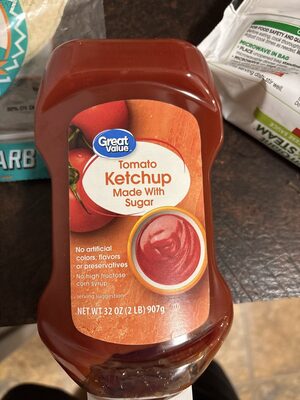
Tomato Ketchup
Chef's Hacks
- Use Tomato Ketchup as a dipping sauce for fried snacks like onion rings and mozzarella sticks.
- Incorporate it into barbecue sauces to enhance the texture and sweetness.
- Drizzle it over burgers for that classic fast-food flavor.
Did You Know?
"Tomato Ketchup was originally sold as medicine in the 1830s, believed to treat various ailments."
The Showdown
Pros & Cons
Tomato Ketchup
- Tomato Ketchup provides a recognizable sweetness which can enhance the appeal of various dishes and snacks.
- Contains natural flavors derived from spices and onion powder, allowing for an added flavor complexity.
- The taste profile of ketchup aligns well with American cuisine, making it a popular choice for kids and families.
- High in added sugars, which can contribute to unhealthy calorie intake and potential health issues.
- Lacks the diversity in flavor that could be provided by additional vegetable content.
- The presence of vinegar might not appeal to everyone, making it less versatile in certain culinary applications.
Tomato Sauce
- Tomato Sauce boasts no added sugars, making it a healthier choice for those concerned about sugar intake.
- Contains a variety of flavors from natural ingredients such as garlic and dehydrated bell peppers, elevating its culinary versatility.
- Lower in calories, allowing for more generous servings without adversely affecting dietary goals.
- The flavor might be perceived as less sweet and more savory, which may not appeal to everyone, especially children.
- The water content might dilute the intense tomato flavor, leading to a less robust experience.
- Less popular as a condiment for certain dishes, it may not be a straightforward substitute for ketchup.
Flavor Profile
Flavor & Texture
Ingredient Quality
Nutritional Value
Value Verdict
A Better Alternative?
A homemade tomato sauce using fresh tomatoes and herbs is a better alternative as it contains no added sugars and retains all the nutrients found in fresh produce.
If both A and B are disappointing, our experts recommend this healthier swap.
Make it a Meal
Try pairing the winner with Grilled Cheese Sandwich
"The melted cheese and buttery bread combine wonderfully with the sweet and tangy notes of ketchup, creating a heavenly comfort food experience."
Buy Grilled Cheese SandwichFinal Conclusion
In summary, the battle between Tomato Ketchup and Tomato Sauce brings forth two distinctly different experiences in the culinary world. Tomato Ketchup, while appealing in its sweet and tangy nature, falls short nutritionally due to its high sugar content, making it a less favorable option for health-conscious individuals. On the other hand, Tomato Sauce emerges as a powerhouse of flavor without the burden of added sugars, catering to those seeking a versatile and healthier alternative. Ultimately, Tomato Sauce not only thrives in its role as a wholesome ingredient in diverse dishes but also presents itself as a lifestyle choice for those committed to healthy eating. Therefore, while Ketchup may dominate taste for snacks and sandwiches, in the long run, Tomato Sauce stands out as the healthier and more pragmatic choice.
Share the Verdict
Help your friends eat smarter.
Frequently Asked Questions
Is ketchup really that unhealthy?
Yes, due to its high sugar content, ketchup can be detrimental to health if consumed in excess. It's important to monitor your intake.
Can I substitute Tomato Sauce for Ketchup?
While you can substitute Tomato Sauce for Ketchup, be mindful that it lacks the same sweetness. Adding a bit of sugar or sweetener can help replicate the flavor profile close to ketchup.
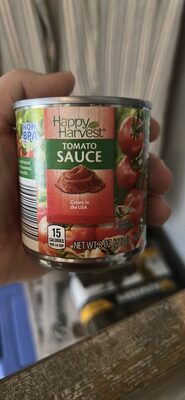
Tomato Sauce
Chef's Hacks
- Stir into pasta dishes for a fresh tomato flavor without the sugar.
- Mix with cooked meats for a flavorful coating or marinade.
- Use as a base to create sauces or stews, enhancing rustic dishes.
Did You Know?
"Tomato Sauce has been a staple in Italian cuisine for centuries, with rich history tracing back to the 18th century."