
Is 100% juice Halal?
The direct answer is: **MAYBE**. While the core ingredients—apple, grape, cranberry, and pineapple—are inherently Halal, the inclusion of ambiguous additives like 'natural flavor' and processing agents prevents a definitive certification without manufacturer clarification. This investigation breaks down why a seemingly pure product might not meet strict Halal standards.
The Ingredient Breakdown
When analyzing a product labeled as '100% juice,' the surface-level ingredients often look safe. The base liquids are water and fruit juice concentrates, which are perfectly Halal. However, as a food scientist, I look at the additives that bridge the gap between the raw fruit and the final bottle. Here is where the flags go up.
The primary concern in this specific blend is the natural flavor. This industry term is a catch-all that can hide a multitude of sources. While often derived from fruit or plants, 'natural flavor' can sometimes be derived from animal sources or fermented using alcohol. Without a specific declaration from the manufacturer stating the source is plant-based and non-alcoholic, it remains a gray area that prevents the product from being certified Halal.
Secondary ingredients include fumaric acid and ascorbic acid. Fumaric acid is generally synthesized from maleic anhydride, a petrochemical derivative, making it chemically Halal. Ascorbic acid (Vitamin C) is usually derived from plant sources like corn or tapioca. However, gum arabic (also listed as ester gum) is a critical additive. Gum arabic is a natural gum harvested from the acacia tree. While the tree source is Halal, the concern lies in the harvesting and processing. It must be verified that no insect residues (which are non-Halal) are present and that no alcohol was used in the purification process.
Finally, the vegetable concentrate for color is likely sourced from carrots or beets, which are permissible. However, the vague nature of the 'natural flavor' remains the most significant hurdle for a definitive Halal verdict.
Nutritional Value
From a nutritional standpoint, '100% juice' is a double-edged sword. It provides essential vitamins, specifically Vitamin C from the ascorbic acid and cranberry concentrate, and antioxidants from the grape and apple juices. However, it lacks the dietary fiber found in whole fruit, which is crucial for regulating blood sugar spikes.
The sugar content is high, even though it is naturally occurring fructose. Because the juice is concentrated and then reconstituted, the caloric density is significant. A single serving can contain over 20-25 grams of sugar with little to no fat or protein. For those managing caloric intake or insulin resistance, this product should be consumed in moderation, treating it as a liquid sugar source rather than a health food equivalent to whole fruit.
Frequently Asked Questions
Does 100% juice contain dairy or gluten?
Is 100% juice good for weight loss?
Where can I buy 100% juice?
Is 100% juice safe for kids?

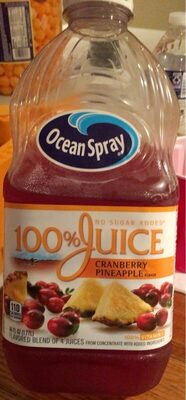
100% juice
Halal Analysis
We recommend searching for certified Halal alternatives.
Pro Tip
Always double-check the label. Manufacturers change ingredients frequently without notice!