
Is Acne-Prone Skin Patches Halal?
NO. Based on the ingredient list provided, Acne-Prone Skin Patches are not considered Halal. The presence of Alcohol Denat (Denatured Alcohol) is the primary flag, which is strictly prohibited in Islamic law for topical application. While the patch contains effective acne-fighting ingredients like Salicylic Acid and Centella Asiatica, the base solvent renders it impermissible for those adhering to strict Halal cosmetic standards.
The Ingredient Breakdown
As a food scientist and investigative journalist, I analyze ingredients for sourcing, purity, and chemical composition. When determining if a skincare product is Halal, we look for the presence of Najis (impure) substances, specifically alcohol, pork derivatives, or non-Halal slaughtered animal by-products. In the case of these acne patches, the verdict is a clear 'No' due to one specific ingredient.
The primary culprit is ALCOHOL DENAT (Denatured Alcohol). In the skincare industry, Alcohol Denat is often used as a solvent to help active ingredients penetrate the skin or to help the product dry quickly. However, in Islamic jurisprudence, any form of alcohol (ethanol) derived from fermentation is considered impure (Najis) and is prohibited to use, regardless of whether it is consumed or applied to the skin. While some scholars debate the difference between industrial and drinking alcohol in cosmetics, strict Halal certification bodies universally reject products containing Alcohol Denat.
It is also important to note the presence of ACRYLATES COPOLYMER and VINYL CAPROLACTAM/VP/DIMETHYLAMINOETHYL METHACRYLATE COPOLYMER. These are synthetic film-forming agents that create the 'patch' texture. While these are chemically neutral and generally considered Halal (as they are not animal-derived), the alcohol content is the definitive dealbreaker for this specific product.
Nutritional Value
It is vital to distinguish between dietary intake and topical application. Acne-Prone Skin Patches are external topical treatments, not food items. Therefore, they possess zero nutritional value, containing no calories, carbohydrates, fats, or proteins. They are not metabolized by the body in the same way food is.
However, from a health and safety perspective, the 'nutrition' of the skin barrier is compromised by the high concentration of solvents. The ALCOHOL DENAT and WATER base can be drying to the skin, stripping away natural oils. While the Centella Asiatica and Willowherb extracts attempt to soothe this, the alcohol acts as an irritant for many users. For those strictly monitoring their 'intake' of prohibited substances, this product fails the test, regardless of its lack of caloric content.
Frequently Asked Questions
Does Acne-Prone Skin Patches contain dairy or gluten?
Is Acne-Prone Skin Patches good for weight loss?
Where can I buy Acne-Prone Skin Patches?
Is Acne-Prone Skin Patches safe for kids?
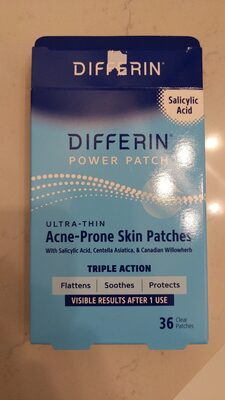
Acne-Prone Skin Patches
Halal Analysis
We recommend searching for certified Halal alternatives.
Pro Tip
Always double-check the label. Manufacturers change ingredients frequently without notice!