
Is Almond Oil Halal?
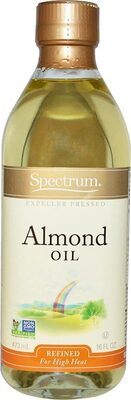
Yes, Almond Oil is Halal. Based on an analysis of 100% Mechanically (Expeller) Pressed Refined Almond Oil, this product contains no animal-derived ingredients or alcohol, making it permissible for consumption. This article breaks down the extraction process and nutritional profile to confirm why this oil meets strict Halal dietary standards.
The Ingredient Breakdown
When determining if a product is Halal, we look for three main red flags: animal products (excluding specific permitted animals), alcohol, and cross-contamination with forbidden substances. With this specific product, 100% MECHANICALLY (EXPELLER) PRESSED REFINED ALMOND OIL, the verdict is straightforward.
The primary ingredient is Almond Oil. Almonds are plant-based nuts, which are inherently Halal. The critical factor here is the processing method. The term "Mechanically (Expeller) Pressed" indicates that the oil is extracted purely through physical pressure and friction, without the use of chemical solvents like hexane. This mechanical process ensures that no synthetic chemicals are introduced to the oil.
Furthermore, the term "Refined" refers to the removal of impurities, color, and odor. In the context of Halal compliance, refining vegetable oils is generally permitted as long as the agents used for bleaching or deodorizing are mineral-based and not derived from animals or alcohol. Since this product lists no other ingredients, it avoids the common pitfalls found in flavored oils or blends that might contain wine vinegars or non-Halal emulsifiers.
Nutritional Value
From a nutritional standpoint, Almond Oil is a calorie-dense fat source, which is typical for any pure oil. A single tablespoon contains approximately 120 calories, consisting almost entirely of fat (about 14 grams). It is rich in monounsaturated fats, specifically oleic acid, which is known to support heart health by potentially lowering bad cholesterol levels (LDL).
It is important to note that while it is derived from a nut, the oil itself contains negligible protein or carbohydrates. This means it is zero sugar and contains no dietary fiber. For those monitoring their caloric intake, this oil should be used in moderation as a finishing touch or for low-heat cooking rather than as a primary source of bulk. It fits well into Keto, Paleo, and Mediterranean diets due to its healthy fat profile, but it lacks the vitamins and minerals found in whole almonds.
Frequently Asked Questions
Does Almond Oil contain dairy or gluten?
Is Almond Oil good for weight loss?
Where can I buy Almond Oil?
Is Almond Oil safe for kids?


Pro Tip
Always double-check the label. Manufacturers change ingredients frequently without notice!