
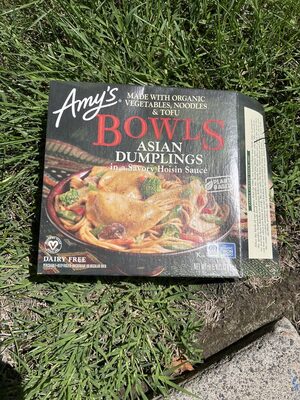
Is Asian dumplings in a savory hoisin sauce bowls Kosher?
Yes, Asian dumplings in a savory hoisin sauce bowls are Kosher. Based on the ingredient list provided, this product is fully compliant with Kosher dietary laws, containing no meat, dairy, or forbidden additives. It is a plant-based (pareve) meal suitable for those keeping Kosher.
The Ingredient Breakdown
When determining if a processed meal is Kosher, we look for three main categories: meat, dairy, and specific prohibitions like shellfish or hidden enzymes. In the case of these Asian dumplings, the verdict is straightforward because the product is entirely plant-based. Let's look at the specific components.
The base of the dish consists of organic pasta made from semolina and whole durum wheat. In a Kosher context, wheat is inherently Kosher, but for processed pasta, the concern is often the starch or processing agents. Here, the ingredients are simple and organic, eliminating the risk of non-Kosher starches. The organic vegetable dumplings are the star of the show. The wrapper is made from unbleached wheat flour and water, while the filling is a robust mix of organic cabbage, carrots, onions, kale, and mushrooms.
Crucially, the protein source is organic tofu (soybeans and magnesium chloride) and organic tamari. Tofu is a soy product and is naturally Pareve (neither meat nor dairy). The use of magnesium chloride as a coagulant is standard for tofu and is Kosher. The sauce introduces organic miso (soybeans, rice, salt, water, koji spores). Koji is a fermentation culture used to make sake, miso, and soy sauce; while it involves a fermentation process, it is derived from rice or soy and is considered Kosher and Pareve. There are no animal-derived broths or fats used in this recipe.
Finally, the flavor profile relies on organic cane sugar, organic brown rice vinegar, and organic garlic. A common hidden non-Kosher ingredient in sauces is wine vinegar, which requires a Kosher certification because wine itself must be made by Jews to be Kosher. However, this product uses brown rice vinegar, which is an acid produced from fermented rice and is naturally Kosher without special certification. Therefore, the entire bowl is free of flags.
Nutritional Value
While the Kosher status is confirmed, the nutritional profile is equally important for a balanced diet. These bowls are organic and vegetable-forward, which generally indicates a good micronutrient density. You can expect a decent amount of fiber from the organic whole durum wheat in the pasta and the variety of vegetables like broccoli and green beans.
Regarding macronutrients, the presence of organic tofu and organic soybeans provides a solid plant-based protein source, likely ranging between 10-15 grams per serving. The fat content comes primarily from expeller pressed high oleic safflower/sunflower oil and organic toasted sesame seed oil. These are heart-healthy unsaturated fats, though the sesame oil adds a distinct calorie density. The sugar content is derived from organic cane sugar and the natural sweetness of the organic carrots and bell peppers. As with many savory hoisin-style sauces, the sugar contributes to the flavor but also to the total calorie count, so it should be consumed in moderation if you are strictly monitoring caloric intake.
Frequently Asked Questions
Does Asian dumplings in a savory hoisin sauce bowls contain dairy or gluten?
Is Asian dumplings in a savory hoisin sauce bowls good for weight loss?
Where can I buy Asian dumplings in a savory hoisin sauce bowls?
Is Asian dumplings in a savory hoisin sauce bowls safe for kids?
Pro Tip
Always double-check the label. Manufacturers change ingredients frequently without notice!