
Is Korean Gochujang Sauce Halal?
No, Korean Gochujang Sauce is generally not considered Halal. While the base ingredients like fermented soybeans and red pepper are permissible, the inclusion of ethyl alcohol in the ingredient list renders the final product unsuitable for a Halal diet. This specific additive is commonly used in mass-produced sauces to preserve freshness or extract flavors, creating a significant barrier for those adhering to strict dietary laws.
The Ingredient Breakdown
As a food scientist, I look at the synergy of ingredients to understand the final product. In the case of this Korean Gochujang Sauce, the foundation is actually quite solid from a dietary perspective. The primary ingredients include gochujang paste, soy sauce, garlic, and sesame oil. These are traditional, plant-based components that are naturally Halal. The fermentation process of the soybeans and wheat in the gochujang paste is a biological process that does not introduce any prohibited elements.
However, the issue lies in the additives used to stabilize and flavor the sauce. The ingredient list explicitly includes ethyl alcohol. In the food industry, ethyl alcohol is often used as a carrier for natural flavor compounds or as a solvent for extracts. It can also act as a preservative. While the alcohol content might be low, the source and purpose are enough to flag the product as non-Halal for many scholars and certification bodies. Additionally, the presence of modified corn starch and potassium sorbate indicates a highly processed product designed for shelf stability, which is common in commercial sauces but requires scrutiny regarding the source of these additives.
Nutritional Value
From a nutritional standpoint, this Gochujang Sauce is a mixed bag. It is relatively low in fat, with canola oil and sesame oil providing the primary lipid sources. The calorie count is moderate, making it a flavor enhancer rather than a main dish component. However, consumers should be mindful of the sugar content. Gochujang traditionally has a sweet element to balance the heat, but commercial versions often spike this with added sugars to appeal to a wider palate. This sauce contains sugar and potentially brown rice syrup, which contributes to its carbohydrate count.
For those monitoring their sugar intake, this sauce should be used sparingly. It fits into a diet as a condiment, but using it liberally could lead to a significant intake of added sugars. The sodium content, derived from salt and soy sauce, is also something to watch if you are on a low-sodium diet. Overall, it provides flavor and heat but offers little in terms of micronutrients or fiber.
Frequently Asked Questions
Does Korean Gochujang Sauce contain dairy or gluten?
Is Korean Gochujang Sauce good for weight loss?
Where can I buy Korean Gochujang Sauce?
Is Korean Gochujang Sauce safe for kids?
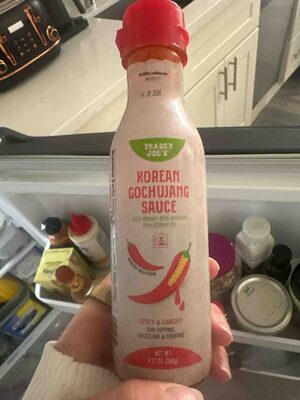
Korean Gochujang Sauce
Halal Analysis
We recommend searching for certified Halal alternatives.
Pro Tip
Always double-check the label. Manufacturers change ingredients frequently without notice!