
Is Asian Vegetable Ramen Made With Organic Noodles Gluten Free?
No, Asian Vegetable Ramen Made With Organic Noodles is not gluten-free. While the 'organic' label suggests a focus on natural ingredients, the primary component of the noodles is organic wheat flour. This means that even though the vegetable soup packet looks clean, the product as a whole contains gluten and should be avoided by those on a strict gluten-free diet.
The Ingredient Breakdown
As a food scientist, I often see consumers equate the word 'organic' with 'gluten-free,' but these two terms refer to completely different production standards. To understand why this specific ramen fails the gluten-free test, we need to look strictly at the chemistry of the ingredients provided.
The defining ingredient here is the organic noodles. The ingredient list explicitly states that the noodles are made from organic wheat flour and sea salt. Wheat is one of the primary sources of gluten (specifically the proteins gliadin and glutenin). Therefore, regardless of how the wheat is grown (organic or conventional), the protein structure remains the same and triggers an immune response in those with Celiac disease.
Furthermore, we must consider the soup packet. While the vegetable powders (onion, garlic, snow peas, red bell pepper) and seasonings (ginger, chili, kombu powder) are naturally gluten-free, there is always a risk of cross-contamination during the manufacturing process. However, the main culprit remains the noodle block itself. Even if the soup base was perfectly pure, the product cannot be classified as gluten-free because the noodle itself is made of wheat.
It is also worth noting that the presence of sugar in the soup packet is standard for instant ramen to balance the savory umami of the Chinese mushroom powder and kombu powder. While sugar is gluten-free, it contributes to the overall glycemic load of the meal, which is a separate nutritional concern.
Nutritional Value
When analyzing the nutritional profile of Asian Vegetable Ramen Made With Organic Noodles, the focus shifts from allergens to caloric density and micronutrients. Instant ramen, even organic varieties, is designed as a shelf-stable convenience food, which impacts its nutritional composition.
The inclusion of sea salt and sugar indicates a moderate sodium content, which is typical for instant soups. While the vegetable powders and kombu powder provide a hint of minerals like iodine and potassium, the volume of these ingredients in a single packet is often too low to contribute significantly to your daily recommended intake. The noodles themselves are a source of carbohydrates for energy, but they are made from refined organic wheat flour, meaning they lack the fiber found in whole grains.
If you are monitoring your diet for weight loss or heart health, this product fits into the 'occasional treat' category rather than a daily staple. The lack of significant protein or healthy fats means it may not keep you full for long, potentially leading to snacking later. However, for a quick warm meal, it provides caloric energy efficiently.
Frequently Asked Questions
Does Asian Vegetable Ramen Made With Organic Noodles contain dairy or gluten?
Is Asian Vegetable Ramen Made With Organic Noodles good for weight loss?
Where can I buy Asian Vegetable Ramen Made With Organic Noodles?
Is Asian Vegetable Ramen Made With Organic Noodles safe for kids?


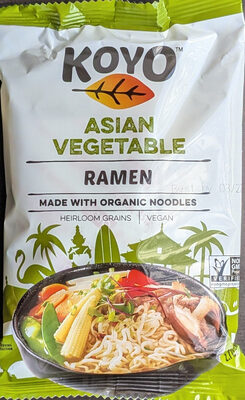
Asian Vegetable Ramen Made With Organic Noodles
Gluten Free Analysis
We recommend searching for certified Gluten Free alternatives.
Pro Tip
Always double-check the label. Manufacturers change ingredients frequently without notice!