
Is Bagel Gluten Free?
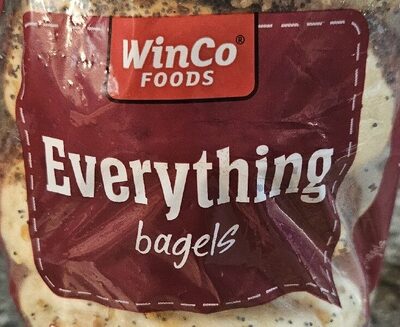
No, standard bagels are absolutely not gluten-free. If you are looking at a traditional bagel, you are looking at a product made almost entirely of gluten-containing ingredients. Based on the ingredient list provided, this specific bagel contains both enriched wheat flour and vital wheat gluten, making it strictly off-limits for anyone with Celiac disease or gluten sensitivity.
The Ingredient Breakdown
To understand why a bagel isn't safe for a gluten-free diet, we have to look at the foundation of the dough. The primary ingredient listed is Enriched Unbleached Wheat Flour. This is standard bread flour derived from wheat, which contains high levels of gluten-forming proteins called gliadin and glutenin. It is the structural backbone of the bagel, providing that signature chewiness.
Perhaps even more telling is the inclusion of Vital Wheat Gluten. While wheat flour already contains gluten, bakers often add this concentrated protein powder to dough to boost the elasticity and rise. It essentially supercharges the gluten content. For someone with Celiac disease, consuming this ingredient triggers an autoimmune response in the small intestine.
We also see Barley listed indirectly through the Maltered Barley Flour in the enriched flour blend. Barley is one of the three main gluten-containing grains (along with wheat and rye). While often used for its enzymatic properties to help yeast function, it is a hidden source of gluten. Additionally, the Enzymes listed in the dough conditioner are frequently derived from fungal sources grown on wheat or barley substrates, posing a potential cross-contamination risk.
Nutritional Value
From a nutritional standpoint, this bagel is a dense source of carbohydrates. With Enriched Wheat Flour as the base, it provides quick energy, but it is largely refined carbohydrates with a moderate glycemic index. The addition of Sugar and Yeast Nutrient (Ammonium Sulfate) suggests a focus on flavor and rise rather than whole-grain health benefits.
In terms of fats, the inclusion of Vegetable Oil (Canola and/or Soy) adds a small amount of fat content, likely to soften the crumb. However, the bagel is not a significant source of healthy fats. The calorie count is likely high for a single serving item, typical of bread products made with refined flour. It fits into a diet as a carbohydrate staple, but it lacks the fiber and micronutrient density found in gluten-free alternatives made from almond or oat flour.
Frequently Asked Questions
Does Bagel contain dairy or gluten?
Is Bagel good for weight loss?
Where can I buy Bagel?
Is Bagel safe for kids?

Bagel
Gluten Free Analysis
We recommend searching for certified Gluten Free alternatives.
Pro Tip
Always double-check the label. Manufacturers change ingredients frequently without notice!