
Is Baked Rice And Corn Puffs Keto?
If you are strictly following a ketogenic diet, you should avoid Baked Rice And Corn Puffs. Despite the 'baked' label suggesting a healthier option, the core ingredients are high-glycemic carbohydrates that are incompatible with ketosis. This article breaks down exactly why these puffs will disrupt your low-carb lifestyle.
The Ingredient Breakdown
As a food scientist, I look past the marketing claims and go straight to the ingredient label. When analyzing Baked Rice And Corn Puffs, three specific ingredients immediately flag this product as non-keto. Let's look at why these are problematic for a low-carb diet.
The primary issue starts with the base of the product: CORNMEAL and RICE FLOUR. Both of these are concentrated sources of starch. While corn and rice are natural plants, processing them into flour removes the fiber, leaving a rapid-digesting carbohydrate. On keto, your daily limit is often 20 to 50 grams of net carbs; a serving of these puffs can use up a significant portion of that allowance instantly due to these two ingredients alone.
A more deceptive ingredient is MALTODEXTRIN. This is a white powder derived from starch (often corn, rice, or potato) that is used as a filler and thickener. From a metabolic standpoint, maltodextrin has a glycemic index (GI) of roughly 110, which is actually higher than table sugar (GI 65). This means it causes a faster and sharper spike in blood glucose and insulin than pure sugar, which is the exact opposite of what you want on a ketogenic diet.
Finally, while the fats like EXPELLER PRESSED CANOLA OIL and the flavorings like ORGANIC CHEDDAR CHEESE are not carb-heavy, they don't redeem the product. The cheese adds flavor, but it also adds trace lactose (milk sugar), adding to the total carb count. The combination of high-starch flours and maltodextrin makes this product metabolically disruptive for ketosis.
Nutritional Value
When evaluating the nutritional profile of Baked Rice And Corn Puffs, the carbohydrate density is the most critical factor. A standard serving of similar puffed snacks typically contains between 18 to 22 grams of total carbohydrates. Because the fiber content is relatively low (due to the processing of the corn and rice), the net carbs remain dangerously high for a keto dieter.
While the product does contain fat from the canola and sunflower oils, the ratio of fat to carbohydrates is not high enough to be considered a 'keto macro.' A true keto food usually requires a high fat content (70% or more of calories) and very low carbs. These puffs are primarily carbohydrate by calorie percentage.
Furthermore, the calorie density is often underestimated. Even though they are 'baked,' the added oils and cheese contribute calories without providing satiety. This is a classic 'empty calorie' scenario: you are consuming energy that will likely be stored as fat if your insulin response is triggered by the maltodextrin and cornmeal, without getting the essential micronutrients or lasting fullness that whole foods provide.
Frequently Asked Questions
Does Baked Rice And Corn Puffs contain dairy or gluten?
Is Baked Rice And Corn Puffs good for weight loss?
Where can I buy Baked Rice And Corn Puffs?
Is Baked Rice And Corn Puffs safe for kids?
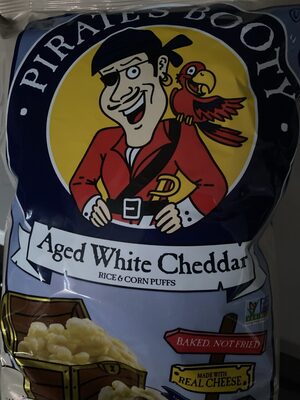
Baked Rice And Corn Puffs
Keto Analysis
We recommend searching for certified Keto alternatives.
Pro Tip
Always double-check the label. Manufacturers change ingredients frequently without notice!