
Is Balsamic Vinegar Halal?
No, traditional Balsamic Vinegar is generally considered **not Halal**. While the ingredients seem harmless, the production process relies on the fermentation of grapes into wine, which creates a significant religious compliance issue. This article investigates the fermentation chemistry and ingredient label to explain exactly why this kitchen staple is flagged.
The Ingredient Breakdown
To understand the verdict, we must look at the chemistry of fermentation. The specific product profile provided lists GRAPE MUST and GRAPE WINE VINEGAR as primary ingredients. Here is the scientific breakdown of why these are problematic for a Halal diet.
The Wine Connection: The core issue lies in the transformation of GRAPE MUST. In traditional production, grape juice (must) is fermented. Fermentation is a metabolic process where yeast converts sugars into alcohol (ethanol) and carbon dioxide. This creates wine. Subsequently, acetic acid bacteria convert that wine into vinegar. In Islamic jurisprudence, the transformation of an impermissible substance (wine) into another substance (vinegar) does not automatically render it permissible if the wine was intentionally produced or allowed to exist as an intoxicant. Therefore, GRAPE WINE VINEGAR is flagged because its precursor is an alcoholic beverage.
The Preservative Issue: The label also lists SULFUR DIOXIDE. While this is a common preservative used to prevent oxidation and microbial growth, it is generally considered Halal (often derived from synthetic sources or mineral origin). However, in the context of this product, it is secondary to the wine issue. The presence of CARAMEL COLOR is usually for aesthetic purposes to darken the vinegar and is typically Halal, but it does not negate the primary flag.
Nutritional Value
From a nutritional science perspective, Balsamic Vinegar is relatively low in calories but high in acidity. A standard tablespoon contains approximately 14 calories and 2-3 grams of sugar. The sugar content comes naturally from the concentrated grape must. Unlike many processed dressings, it contains virtually no fat. However, due to the sugar content, those strictly monitoring their glycemic index should consume it in moderation. It fits into a low-fat diet easily, but the sugar concentration is higher than that of standard white vinegar due to the grape reduction process.
Frequently Asked Questions
Does Balsamic Vinegar contain dairy or gluten?
Is Balsamic Vinegar good for weight loss?
Where can I buy Balsamic Vinegar?
Is Balsamic Vinegar safe for kids?
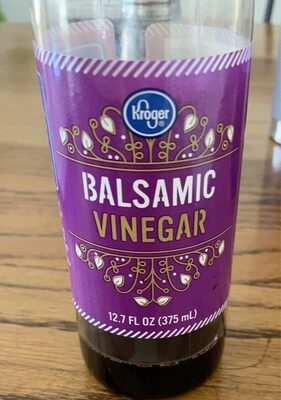
Balsamic Vinegar
Halal Analysis
We recommend searching for certified Halal alternatives.
Pro Tip
Always double-check the label. Manufacturers change ingredients frequently without notice!