
Is beef ramen Gluten Free?
No, beef ramen is not gluten-free. If you are looking at a standard package of beef flavored instant noodles, you must avoid it due to the presence of wheat in the noodles and soy in the seasoning. While the beef flavor itself might not come from gluten sources, the construction of the noodle cake and the composition of the flavoring powder make it unsafe for a gluten-free diet.
The Ingredient Breakdown
To understand why standard beef ramen fails the gluten-free test, we need to look at the two main components: the noodle block and the seasoning packet. As a food scientist, I look at the chemical composition, and the verdict is clear.
The primary culprit is the noodle block itself. The ingredients list wheat flour as the base. Wheat contains gluten, specifically proteins called gliadin and glutenin, which give the noodles their chewy texture. Even if the beef flavoring were safe, the noodle itself is derived from a gluten-containing grain. Additionally, the enrichment blend listed—niacin, reduced iron, thiamine mononitrate, riboflavin, and folic acid—is standard for wheat-based products but does not negate the gluten content.
Turning to the seasoning packet, the risks compound. The ingredients list explicitly includes hydrolyzed soy protein and corn protein. While corn is gluten-free, hydrolyzed soy protein is often processed in facilities that handle wheat. More importantly, the ingredient maltodextrin is present. While maltodextrin can be derived from corn, in many instant ramen products, it is derived from wheat. Without a specific "certified gluten-free" label, you must assume the maltodextrin is wheat-based. Furthermore, the caramel color used to give the broth its rich brown hue can sometimes be processed using equipment shared with gluten-containing ingredients.
The allergen warning on the package is the final confirmation. The data indicates flags for wheat and soy. This means the product is manufactured on shared equipment or in a facility that processes gluten, leading to a high risk of cross-contamination. Therefore, for anyone with Celiac disease or non-celiac gluten sensitivity, this product is strictly off-limits.
Nutritional Value
From a nutritional standpoint, standard beef ramen is considered a high-calorie, high-sodium, and low-nutrient density food. The primary caloric source is the palm oil used to flash-fry the noodles. This process saturates the noodle cake with fats, significantly increasing the calorie count per serving.
Regarding sugar, the seasoning mix contains sugar and maltodextrin (a sugar derivative). While the amount per serving is relatively low (usually 1-2 grams), it contributes to the overall glycemic load. The sodium content is the most concerning aspect nutritionally; a single packet can contain upwards of 800mg of sodium, which is over 30% of the recommended daily intake. This makes it a poor choice for those monitoring blood pressure or heart health. It fits into a diet only as an occasional, emergency calorie source, but it lacks the fiber and protein necessary to be considered a balanced meal.
Frequently Asked Questions
Does beef ramen contain dairy or gluten?
Is beef ramen good for weight loss?
Where can I buy beef ramen?
Is beef ramen safe for kids?


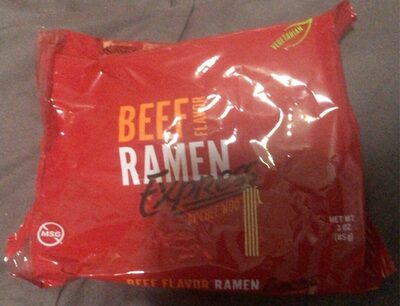
beef ramen
Gluten Free Analysis
We recommend searching for certified Gluten Free alternatives.
Pro Tip
Always double-check the label. Manufacturers change ingredients frequently without notice!