
Is BKE Kombucha Keto?
No, strictly speaking, BKE Kombucha is not keto-friendly. While it boasts an impressive ingredient list featuring organic teas and live cultures, the inclusion of organic cane sugar makes it too high in carbohydrates for a standard ketogenic diet. If you are tracking your macros strictly, this beverage will likely exceed your daily carb limit.
The Ingredient Breakdown
As a food scientist looking at the label for BKE Kombucha, the composition is fascinating. The base is filtered water and organic assam black tea, which provides a robust flavor profile and natural antioxidants. However, the fermentation process requires a food source for the SCOBY (Symbiotic Culture of Bacteria and Yeast), and in this case, that food source is organic cane sugar.
This is the primary keto dealbreaker. While the yeast consumes some of this sugar during fermentation to create carbonation and acids, a significant amount of residual sugar almost always remains. Without this residual sugar, the drink would be incredibly tart and flat. Additionally, the inclusion of organic yerba mate adds a layer of complexity. Yerba mate naturally contains caffeine, which can be a double-edged sword; while some caffeine is acceptable on keto, it can sometimes stimulate appetite or cause stress responses that affect blood sugar levels.
Finally, the organic lemon juice adds a bright citrus note and helps with preservation. While lemon juice contains natural sugars (fructose), it is generally low enough in quantity that it wouldn't be the sole reason for a keto rejection. The main culprit remains the added cane sugar required to make the kombucha viable.
Nutritional Value
When analyzing the nutritional profile, the sugar content is the standout metric. A typical serving of traditional kombucha like BKE contains anywhere from 10 to 15 grams of sugar per serving. On a ketogenic diet, the daily limit is usually set at 20 to 50 grams of total carbohydrates. Consuming a single bottle of BKE Kombucha could utilize up to half to three-quarters of your entire daily carbohydrate allowance, leaving very little room for nutrient-dense vegetables or other meals.
Regarding calories and fat, kombucha is generally low in fat and moderate in calories (usually around 30-60 calories per serving). However, on keto, the source of calories matters more than the total count. Because the calories here come primarily from sugar, it provides a quick spike in blood glucose followed by insulin, which is exactly the hormonal response the ketogenic diet aims to minimize. Therefore, despite the 'live cultures' offering probiotic benefits for gut health, the macronutrient ratio does not align with keto metabolic requirements.
Frequently Asked Questions
Does BKE Kombucha contain dairy or gluten?
Is BKE Kombucha good for weight loss?
Where can I buy BKE Kombucha?
Is BKE Kombucha safe for kids?
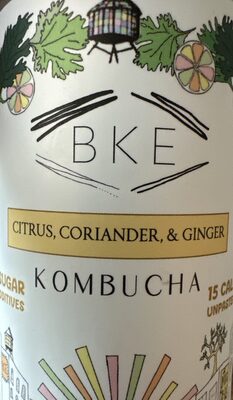
BKE Kombucha
Keto Analysis
We recommend searching for certified Keto alternatives.
Pro Tip
Always double-check the label. Manufacturers change ingredients frequently without notice!