
Is Bleached enriched flour Kosher?
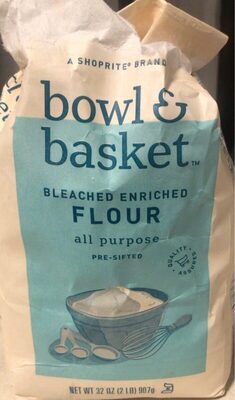
Yes, bleached enriched flour is generally considered Kosher. This staple baking ingredient passes the strictest dietary laws because its processing aids and synthetic additives do not derive from animal or forbidden sources. Let's break down the chemistry and processing to understand exactly why this flour is safe for a Kosher diet.
The Ingredient Breakdown
When determining if a processed food is Kosher, we look at the source of every single ingredient and the equipment used to process it. For bleached enriched flour, the verdict is clear, but the science behind it is fascinating.
The primary ingredient, bleached wheat flour, is simply raw wheat that has been treated with agents like benzoyl peroxide or chlorine gas to whiten it and speed up aging. Since wheat is a plant, it is inherently Kosher (provided it isn't harvested with forbidden bugs). The bleaching process uses synthetic chemicals that are chemically pure, meaning they have no Kashrut concerns.
Where things get interesting is the malted barley flour. This is added as an enzyme to help the flour interact with yeast and improve texture. While barley is a grain, the small amount used here is purely functional. It acts as a processing aid rather than a main ingredient, and it does not introduce any non-Kosher elements.
Finally, we have the enrichment blend: niacin, reduced iron, thiamin mononitrate, riboflavin, and folic acid. These are synthetic vitamins added to replace nutrients lost during milling. Because they are synthesized in a lab and not derived from animal sources (like liver or gland extracts), they are universally accepted as Kosher. There are no flags found in this ingredient list.
Nutritional Value
While the Kosher status is positive, the nutritional profile of bleached enriched flour is where consumers should exercise caution. This flour is a refined carbohydrate, meaning the bran and germ—the most nutritious parts of the wheat kernel—have been removed.
In terms of macronutrients, it is very high in carbohydrates and calories, but it contains almost no fiber, healthy fats, or protein. The enrichment process adds back specific B-vitamins and iron, which helps prevent deficiencies like beriberi or anemia, but it does not restore the natural fiber or antioxidants found in whole wheat.
Regarding sugar and fat, the flour itself contains negligible amounts of both. However, because it has a high glycemic index, it acts like sugar in the body, spiking blood glucose levels rapidly. It fits into a diet only if consumed in strict moderation, but it is not considered a 'health food' by modern nutritional standards.
Frequently Asked Questions
Does Bleached enriched flour contain dairy or gluten?
Is Bleached enriched flour good for weight loss?
Where can I buy Bleached enriched flour?
Is Bleached enriched flour safe for kids?

Pro Tip
Always double-check the label. Manufacturers change ingredients frequently without notice!