
Is Brown rice crisps Kosher?
Yes, Brown rice crisps are Kosher. Based on a detailed analysis of the ingredient list, there are no animal derivatives, hidden dairy, or non-Kosher additives found in this specific formulation. This makes them a safe snack option for those adhering to Kosher dietary laws.
The Ingredient Breakdown
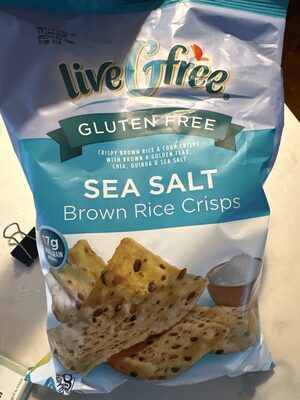
When determining if a processed snack is Kosher, we look beyond the main marketing claims and dive into the source of every additive. The primary ingredient, whole grain brown rice flour, is inherently Kosher (Pareve). It acts as the base for the crisp, providing structure without any risk of animal contamination. Similarly, the oils used—sunflower and/or safflower oil—are plant-based and safe for a Kosher diet.
Where many crackers fail the Kosher test is in the leavening agents or flavor enhancers. However, this product relies on corn masa flour for texture. Corn masa is derived from maize and is naturally Kosher. We also see a blend of seeds: brown flax seeds, golden flax seeds, chia seeds, and quinoa. All of these are ancient grains and seeds that are naturally Kosher, provided they are processed on equipment that hasn't been used for non-Kosher items. There is no indication of gelatin (often pork or beef-derived) or natural flavors which can sometimes hide non-Kosher components.
The sweetener used is cane sugar. While sugar is generally Kosher, strict Kosher observers sometimes look for certification regarding the processing filters (bone char). However, in the context of modern mass-market snacks, if the product is certified, this is usually resolved. The presence of rice fiber adds bulk and texture without adding animal products. Finally, sea salt is mineral-based and poses no Kosher issues. The complete absence of dairy, meat, or shellfish ingredients, combined with the plant-based nature of the additives, supports the verdict that this product is Kosher.
Nutritional Value
From a nutritional standpoint, these crisps offer a decent profile for a processed snack, though they shouldn't be mistaken for a whole food. The base of brown rice flour provides complex carbohydrates and fiber, which aids in digestion and provides a slower release of energy compared to white rice products. The inclusion of quinoa and flax seeds boosts the protein and Omega-3 fatty acid content, making this a slightly more functional food than a standard rice cake.
However, the addition of cane sugar is a point of caution. While the amount is likely low (usually listed after salt in the ingredient list), it contributes to the overall calorie count and glycemic load. For those strictly monitoring sugar intake for weight loss or blood sugar management, this is the ingredient to watch. The fats come from sunflower/safflower oil, which are heart-healthy unsaturated fats, but the total calorie density of the crisps means portion control is necessary. Overall, they fit well into a balanced diet as a crunchy alternative to bread, but they are not a 'free' food.
Frequently Asked Questions
Does Brown rice crisps contain dairy or gluten?
Is Brown rice crisps good for weight loss?
Where can I buy Brown rice crisps?
Is Brown rice crisps safe for kids?

Pro Tip
Always double-check the label. Manufacturers change ingredients frequently without notice!