
Is BUTTERY SPREAD Kosher?
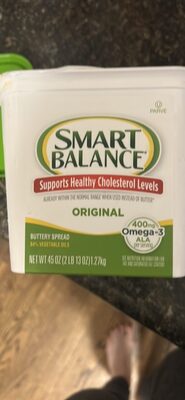
Yes, BUTTERY SPREAD is generally considered Kosher. Our analysis of the ingredient list reveals no animal-derived ingredients or obvious non-Kosher additives. This plant-based spread relies on a blend of vegetable oils and pea protein, making it a suitable option for those observing dietary laws.
The Ingredient Breakdown
When determining if a product like BUTTERY SPREAD is Kosher, we look beyond the label's marketing and dive into the source of every additive. The primary ingredient is a VEGETABLE OIL BLEND consisting of canola, palm, and olive oils. In their natural, refined state, these oils are inherently Kosher (Pareve), meaning they contain no meat or dairy derivatives. The concern often lies in how these oils are processed, but standard refining methods do not involve non-Kosher agents.
The texture and structure of the spread come from PEA PROTEIN and emulsifiers like MONOGLYCERIDES and SUNFLOWER LECITHIN. Pea protein is a plant-based thickener, entirely free of animal products. Lecithin, derived here from sunflowers, is a common emulsifier that is strictly plant-derived, avoiding the Kosher concerns sometimes associated with soy lecithin (due to crop rotation with wheat) or egg-based lecithin.
Finally, we examine the preservatives and flavorings. The NATURAL AND ARTIFICIAL FLAVORS are the most ambiguous ingredient in any food product. However, in a product marketed as a 'Buttery Spread' with a vegan-friendly ingredient profile, these are almost certainly derived from vegetable sources to mimic dairy notes without using actual milk. The preservatives (POTASSIUM SORBATE, LACTIC ACID) are synthetic or fermented chemicals; while Lactic Acid can be derived from dairy, in this context, it is produced via bacterial fermentation of carbohydrates (like corn starch), making it non-dairy and Kosher.
Nutritional Value
While BUTTERY SPREAD passes the Kosher test, it is important to consider its nutritional profile. This product is designed to mimic the mouthfeel of butter, which requires a significant fat content. The VEGETABLE OIL BLEND means this spread is high in fat and calories, similar to traditional butter. It provides a source of fat-soluble vitamins like Vitamin A and D, which are added back during processing.
For those monitoring their intake, this spread is generally low in sugar and protein. The PEA PROTEIN is present in small amounts (less than 2%), so it shouldn't be relied upon as a significant protein source. It fits well into a diet looking to avoid dairy, but strictly from a calorie perspective, it should be used in moderation just like regular butter.
Frequently Asked Questions
Does BUTTERY SPREAD contain dairy or gluten?
Is BUTTERY SPREAD good for weight loss?
Where can I buy BUTTERY SPREAD?
Is BUTTERY SPREAD safe for kids?
Pro Tip
Always double-check the label. Manufacturers change ingredients frequently without notice!