
Is Cheddar Broccoli Vegan? An Investigative Ingredient Breakdown
The short answer is no, Cheddar Broccoli is not vegan. While it offers the convenience of a quick side dish, the inclusion of dairy-based ingredients makes it unsuitable for a plant-based diet. Let's dive into the specific ingredients to understand exactly why this product fails the vegan test.
The Ingredient Breakdown
When evaluating a product like Cheddar Broccoli, we have to look past the marketing and go straight to the label. As a food scientist, I look for specific compounds that define the product's dietary classification. In this case, the verdict is clear due to two primary culprits found in the ingredient list.
The most obvious red flag is the presence of cheese and pasteurized milk. These are foundational dairy ingredients. The cheese itself is defined by cheese cultures, enzymes, and annatto extract (a common coloring agent). However, the dairy presence goes deeper than just the cheese block. You will also find whey and non-fat dry milk listed. Whey is a byproduct of the cheese-making process and is strictly an animal-derived ingredient.
Additionally, the product contains disodium inosinate and disodium guanylate. While these are often plant-derived flavor enhancers, they are frequently processed with animal products or dairy. However, given the explicit listing of milk solids and whey, these additives reinforce the savory, umami flavor profile that comes from dairy, not plants. Finally, lactic acid is present. While lactic acid can be derived from corn fermentation, in products containing high amounts of dairy, it is often used as a pH regulator that is compatible with animal-derived systems.
Nutritional Value
From a nutritional standpoint, Cheddar Broccoli is a calorie-dense side dish primarily composed of refined carbohydrates. The base consists of enriched vermicelli and enriched long grain rice. These are simple carbs that provide quick energy but lack the fiber found in whole grains. The 'enrichment' (niacin, ferrous sulfate, etc.) is added to replace nutrients lost during processing, which is standard for refined pasta and rice products.
In terms of macronutrients, the fat content is largely driven by milkfat and soybean oil. While not excessively high in fat, the sodium levels are worth noting due to the salt, potassium chloride, and sodium phosphates. For those monitoring their sodium intake, this side dish could contribute significantly to daily limits. The sugar content comes from added sugar and maltodextrin, adding a slight sweetness to balance the salty cheese flavor.
Frequently Asked Questions
Does Cheddar Broccoli contain dairy or gluten?
Is Cheddar Broccoli good for weight loss?
Where can I buy Cheddar Broccoli?
Is Cheddar Broccoli safe for kids?
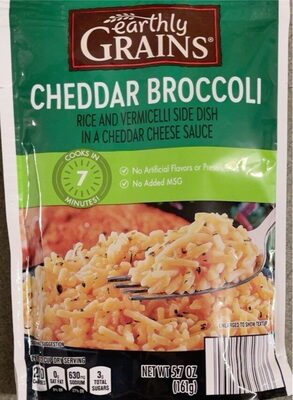
Cheddar Broccoli
Vegan Analysis
We recommend searching for certified Vegan alternatives.
Pro Tip
Always double-check the label. Manufacturers change ingredients frequently without notice!