
Is Cheddar Crisps Halal?
Is Cheddar Crisps Halal? The answer is MAYBE. While this popular snack avoids obvious red flags like pork or alcohol, it contains ambiguous ingredients that require a closer look. Specifically, the inclusion of 'natural flavor' and animal-derived enzymes means you should verify the source with the manufacturer to ensure it aligns with strict Halal dietary laws.
The Ingredient Breakdown
When determining if a snack like Cheddar Crisps is Halal, we have to look beyond the marketing and into the chemistry of the ingredients. As a food scientist, I look for specific compounds that are derived from animals, as these are the most likely to conflict with Halal standards. Let's break down the specific flags found in the ingredient list.
The primary concern lies in the Cheddar Cheese. Real cheese is made using a coagulating enzyme called rennet. Rennet can be derived from the stomach lining of a calf, sheep, or goat. If the animal was not slaughtered according to Islamic rites, the cheese would be considered non-Halal. While many modern cheeses use microbial or vegetable rennet, the label does not specify the source.
Furthermore, the ingredient list includes Natural Flavor. This is a catch-all term used by the food industry to protect proprietary recipes. 'Natural Flavor' can technically contain animal derivatives, such as beef fat or chicken broth, to enhance the savory profile. Without a specific Halal certification on the package, the source of this flavor is unknown.
Finally, we see Whey, Buttermilk, and Cultured Milk. These are dairy derivatives and are generally Halal. However, whey can sometimes contain trace amounts of animal rennet depending on how the cheese used to produce it was made. Additionally, the presence of Enriched Flour and Wheat Flour confirms that these crisps contain gluten, making them unsuitable for those with Celiac disease, though this does not affect the Halal status.
Nutritional Value
From a nutritional standpoint, Cheddar Crisps are a calorie-dense snack. The base is made of potatoes and enriched flour, fried in oils like canola and sunflower oil. This results in a high fat content, specifically saturated fats from the cheese and whey.
Regarding sugar, the product contains sugar and citric acid. While the sugar content is likely low compared to sweet snacks, it contributes to the overall carbohydrate count. These crisps are not a 'diet food' and should be consumed in moderation. They fit into a standard diet as an occasional treat rather than a daily staple, especially for those monitoring their sodium intake due to the added salt and cheddar cheese.
Frequently Asked Questions
Does Cheddar Crisps contain dairy or gluten?
Is Cheddar Crisps good for weight loss?
Where can I buy Cheddar Crisps?
Is Cheddar Crisps safe for kids?
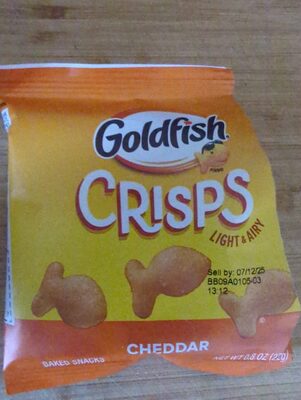
Cheddar Crisps
Halal Analysis
We recommend searching for certified Halal alternatives.
Pro Tip
Always double-check the label. Manufacturers change ingredients frequently without notice!