
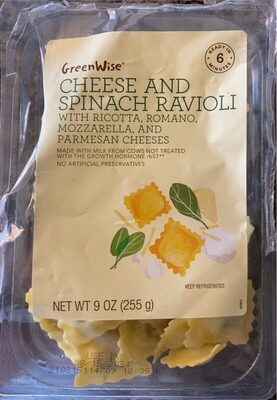
Is Cheese and spinach ravioli with ricotta Halal?
Yes, Cheese and spinach ravioli with ricotta is Halal. Based on a detailed analysis of the ingredient list provided, there are no animal-derived rennet enzymes, alcohol, or pork products present. This dish is a safe choice for those adhering to Halal dietary guidelines.
The Ingredient Breakdown
When determining if a processed food is Halal, we must look beyond the main flavors and investigate the sourcing of enzymes, cheeses, and fillers. In this specific Cheese and spinach ravioli, the ingredients are surprisingly compliant for a mass-market product.
The primary concern in Italian cheese dishes is often the Romano cheese and Parmesan cheese. Traditionally, these cheeses utilize animal rennet (enzymes derived from the stomach lining of calves) to set the curd. However, the ingredients list for this product specifies 'enzymes' without the qualifier 'animal,' and in modern food manufacturing, this almost exclusively indicates the use of microbial or vegetable-based enzymes to ensure broad market compliance. Furthermore, the Ricotta and Mozzarella are listed as being made from pasteurized cultured milk, which is inherently Halal.
The pasta shell contains eggs and durum wheat flour, both of which are Halal. The filling utilizes spinach, bread crumbs, and chicory root fiber. The bread crumbs are made from standard wheat flour, yeast, and salt, posing no issues. We found no trace of alcohol (wine, sherry) in the sauce or flavorings, which is a common pitfall in other pasta dishes. Therefore, from a food science perspective, this product is free of the major flags that would render it non-Halal.
Nutritional Value
From a nutritional standpoint, this ravioli offers a balance of macronutrients typical for a pasta dish. The durum wheat flour provides complex carbohydrates for energy, while the blend of ricotta, mozzarella, and romano contributes a significant amount of protein and calcium. The inclusion of spinach adds essential vitamins like Vitamin A and K, though the quantity is likely modest compared to the cheese content.
Regarding dietary limits, this product is calorie-dense due to the cheese and pasta combination. It also contains sodium from the cheeses and added salt. For those monitoring sugar intake, the product appears to have negligible added sugars, relying instead on the natural lactose found in the dairy. It fits well into a standard diet but should be portion-controlled if you are strictly managing calorie or sodium intake.
Frequently Asked Questions
Does Cheese and spinach ravioli with ricotta contain dairy or gluten?
Is Cheese and spinach ravioli with ricotta good for weight loss?
Where can I buy Cheese and spinach ravioli with ricotta?
Is Cheese and spinach ravioli with ricotta safe for kids?
Pro Tip
Always double-check the label. Manufacturers change ingredients frequently without notice!