
Is cheese cracker sandwiches Halal?
The short answer is: MAYBE. While these crackers contain no obvious pork or alcohol ingredients, there is a specific component that requires a closer look. The 'semisoft cheese powder' uses enzymes, which can be derived from animal sources, making the Halal status dependent on the specific enzyme source used by the manufacturer.
The Ingredient Breakdown
As a food scientist, I look beyond the marketing on the box and dive straight into the formulation. When analyzing cheese cracker sandwiches for Halal compliance, we are looking for three main things: pork derivatives, alcohol, and questionable enzymes. Here is the breakdown of the specific ingredients you provided.
Enzyme-Modified Butteroil & Cheese Enzymes: This is the most critical flag in your ingredient list. The 'semisoft cheese powder' relies on enzymes to coagulate the milk and develop flavor. In the food industry, these enzymes (specifically rennet) can be sourced from the stomach lining of slaughtered animals (cows, sheep, or goats). If the animal was not slaughtered according to Islamic rites, the ingredient is not Halal. Additionally, the enzyme-modified butteroil implies an enzymatic process was used to enhance flavor, introducing the same sourcing ambiguity.
Dairy and Fats: The presence of whey, buttermilk solids, butter, and palm oil is generally positive from a Halal perspective. These are plant-derived or dairy-derived and do not inherently violate dietary laws. However, strict vegetarians (if that is a concern alongside Halal) would avoid the animal-derived rennet found in the cheese.
Colors and Additives: The list includes Yellow 5 and Yellow 6. These are synthetic food dyes. While they are chemically Halal, some consumers prefer to avoid them due to animal testing controversies or health concerns. The annatto extract and turmeric are natural colors and are perfectly Halal.
Leavening Agents: The calcium phosphate and baking soda listed are chemical leavening agents. They are inorganic salts and pose no Halal issues. This is distinct from yeast, which is always Halal, but these specific crackers rely on chemical aeration.
Nutritional Value
From a nutritional standpoint, cheese cracker sandwiches are a calorie-dense, low-nutrient density food. The base is unbleached enriched flour, which is a refined carbohydrate that spikes blood sugar quickly. The fat content is significant due to the combination of canola oil and palm oil.
The most concerning nutritional aspect is the sugar content. You have both sugar and high fructose corn syrup listed. This combination is often found in processed snacks to create a 'bliss point' that encourages overeating. While the fat provides satiety, the high glycemic load from the flour and corn syrup makes this a poor choice for those managing insulin resistance or looking for sustained energy.
Frequently Asked Questions
Does cheese cracker sandwiches contain dairy or gluten?
Is cheese cracker sandwiches good for weight loss?
Where can I buy cheese cracker sandwiches?
Is cheese cracker sandwiches safe for kids?
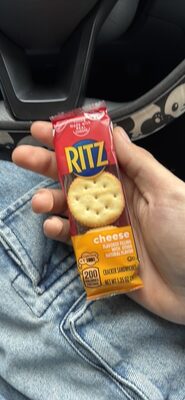
cheese cracker sandwiches
Halal Analysis
We recommend searching for certified Halal alternatives.
Pro Tip
Always double-check the label. Manufacturers change ingredients frequently without notice!