
Is Frozen bowls Gluten Free?
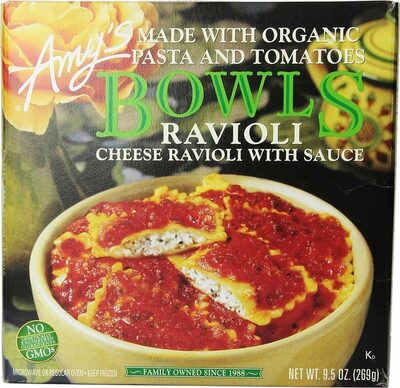
No, Frozen bowls are not gluten-free. While the packaging may highlight organic ingredients, the pasta components are made with wheat flour, making them unsafe for anyone with Celiac disease or gluten sensitivity. This article explains exactly which ingredients to watch out for and why.
The Ingredient Breakdown
As a food scientist, I look past the marketing claims and straight to the ingredient deck. When analyzing these frozen bowls, the gluten content becomes immediately apparent in the pasta shells. The primary culprit is the organic unbleached wheat flour, organic durum wheat flour, and organic semolina flour blend used to make the ravioli. These are all forms of milled wheat and contain gluten proteins (gliadin and glutenin) that trigger reactions in sensitive individuals.
Furthermore, the manufacturer adds organic vital wheat gluten directly to the pasta dough. This is a concentrated gluten powder often used to improve the texture and chewiness of pasta. Its presence confirms that this product is not just incidentally containing gluten, but is structurally built around it. Even if the fillings were gluten-free (which they are not, due to the pasta shell), the product as a whole would still be unsafe for a gluten-free diet.
It is also important to note that while the ingredients list specifies enzymes that are non-animal based, the gluten issue is strictly related to the wheat components. For those with Celiac disease, even trace amounts of cross-contamination can be harmful, and this product contains significant amounts of gluten.
Nutritional Value
From a nutritional standpoint, these frozen bowls are a calorie-dense convenience food. A single serving contains a significant amount of fat, largely due to the organic grade aa butter and organic extra virgin olive oil. While these are high-quality fats, they contribute to a higher caloric load, which may not align with strict weight-loss goals.
The sodium content is also worth monitoring. Between the sea salt, parmesan cheese, and spices, the sodium levels are moderate to high. This is typical for frozen Italian-style meals but something to be mindful of if you are watching your blood pressure. On the positive side, the use of organic tomato puree and organic onions provides some micronutrients, but the macronutrient profile is heavily skewed toward carbohydrates and fats rather than lean protein.
Frequently Asked Questions
Does Frozen bowls contain dairy or gluten?
Is Frozen bowls good for weight loss?
Where can I buy Frozen bowls?
Is Frozen bowls safe for kids?
Explore More
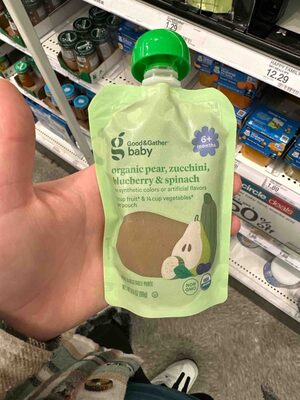
Is Organic Pear, Zucchini, Blueberry & Spinach Gluten Free?
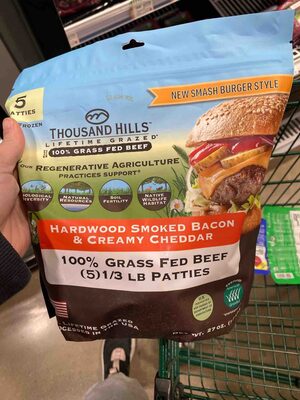
Is Hardwood Smoked Bacon & Creamy Cheddar 100% Grass Fed Beef (5) 1/3 Lb Patties Gluten Free?
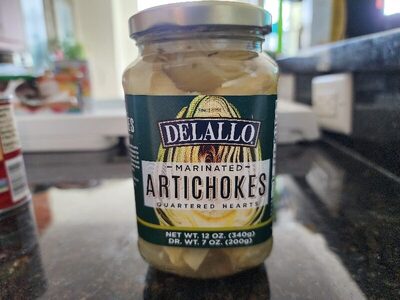
Is Delallo, quartered & marinated artichoke hearts Gluten Free?
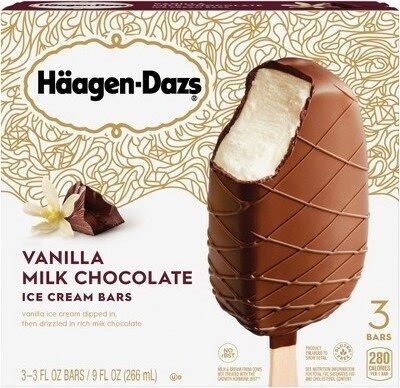
Is Haagen dazs ice cream bars Kosher?
Frozen bowls
Gluten Free Analysis
We recommend searching for certified Gluten Free alternatives.
Pro Tip
Always double-check the label. Manufacturers change ingredients frequently without notice!