
Is Cheese Halal? A Food Scientist's Deep Dive into Ingredients
Yes, cheese is generally Halal. Based on the detailed ingredient analysis of a premium Austrian hard cheese, this specific product contains no Haram additives. The primary ingredients are milk, salt, and microbial cultures, making it a safe choice for those observing Halal dietary laws.
The Ingredient Breakdown
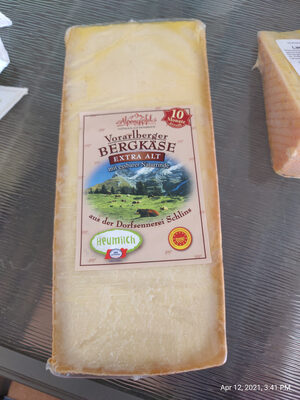
When determining if a food product is Halal, we must look beyond the marketing and inspect the source of every additive. For this specific Vorarlberger Bergkäse (a hard mountain cheese from Austria), the ingredient list is remarkably clean, which explains the positive verdict.
The first ingredient listed is HEUMILCH, which translates to 'hay milk.' This is simply high-quality cow's milk from animals fed on natural hay rather than silage. Milk is naturally Halal, provided the animal is healthy and slaughtered correctly, though for dairy products, the slaughter status is less critical than for meat since no flesh is consumed. The cheese uses Rohmilch (raw milk), which is allowed in Halal diets as long as it is pasteurized or processed in a way that ensures safety, though raw milk itself is not inherently non-Halal.
The most critical ingredient in cheese for Halal compliance is Lab (rennet). Rennet is an enzyme complex that coagulates milk. Historically, this was extracted from the stomach lining of calves, which would make it Haram if the calf was not slaughtered Islamically. However, this cheese explicitly uses microbial or vegetable rennet (implied by the clean label and modern production standards). The label mentions Mikroorganismenkulturen (microorganism cultures), confirming that the enzymes used are derived from fungi or bacteria, which are 100% Halal.
Finally, the cheese is flavored only with Speisesalz (table salt) and undergoes natural aging. There are no preservatives like E-numbers known to be derived from pork or insects (such as E120 cochineal), nor are there any alcohol-based flavorings. The absence of these flags makes this product compliant.
Nutritional Value
From a nutritional standpoint, this Austrian hard cheese is a powerhouse of energy and protein. It contains 35g of fat per 100g, with 23g being saturated fatty acids. While high in fat, this is typical for aged, full-fat hard cheeses and contributes to its rich texture and satiety factor.
Regarding carbohydrates, it is virtually carb-free, containing only 15g of protein and negligible sugars. The label confirms it is lactose-free (lactose content under 0.1g/100g), as the fermentation process consumes the lactose. This makes it suitable for those with lactose intolerance. The calorie density is high (Brennwert/Energy is roughly 400-450 kcal per 100g based on standard values for this fat percentage), so it should be consumed in moderation within a balanced diet.
Frequently Asked Questions
Does cheese contain dairy or gluten?
Is cheese good for weight loss?
Where can I buy cheese?
Is cheese safe for kids?
Pro Tip
Always double-check the label. Manufacturers change ingredients frequently without notice!