
Is Cheez balls, cheese Halal?
The short answer is MAYBE. While Cheez balls do not contain obvious Haram ingredients like pork or alcohol, they contain a vague ingredient called 'natural flavor' which requires manufacturer verification to be considered 100% Halal. If you are looking for a quick snack, you should know that while the cheese and corn base are generally safe, the flavoring agents are the only remaining hurdle.
The Ingredient Breakdown
When determining if a snack is Halal, we look beyond the obvious. The base of degerminated yellow corn meal is perfectly fine—it's just corn. The oils used, such as soybean or canola oil, are also universally Halal. The primary concern usually lies in the flavorings and the cheese processing.
Let's look at the dried cheese blend. This contains whey, semisoft cheese, and salt. The enzymes used in the cheese culture are typically microbial or vegetable-based today, making them safe. However, the ingredient natural flavor is the specific flag in this product. In savory snacks like cheese balls, 'natural flavor' can sometimes be derived from animal sources to enhance the savory profile (like beef or chicken extract), though it is often plant-derived. Without a specific statement from the manufacturer confirming the source is plant-based, we cannot give a definitive 'Yes'.
Finally, the colorants Yellow 6 and Yellow 5 are synthetic and Halal, as is annatto. The preservatives like sodium phosphate and citric acid are chemical additives that are safe. The only remaining question is the 'natural flavor'.
Nutritional Value
From a nutritional standpoint, Cheez balls are a calorie-dense snack. A standard serving contains a significant amount of fat from the soybean and/or corn oil. While these are vegetable oils, the total fat content contributes to a high caloric count, making it less ideal for those watching their weight.
The carbohydrate source is primarily corn meal and maltodextrin. These are simple starches that spike blood sugar quickly. The product also contains added sugar in the form of lactose (from the milk ingredients) and potentially hidden sugars in the modified food starch. It fits the diet limits of an occasional treat, but it is not a nutrient-dense food. It lacks significant fiber or protein to balance out the sugar and fat rush.
Frequently Asked Questions
Does Cheez balls, cheese contain dairy or gluten?
Is Cheez balls, cheese good for weight loss?
Where can I buy Cheez balls, cheese?
Is Cheez balls, cheese safe for kids?
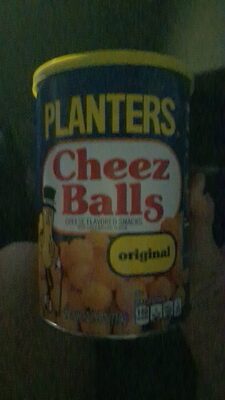
Cheez balls, cheese
Halal Analysis
We recommend searching for certified Halal alternatives.
Pro Tip
Always double-check the label. Manufacturers change ingredients frequently without notice!