
Is Chewy bars Halal?
The direct answer is: **Maybe**. Chewy bars do not contain obvious high-risk ingredients like pork or alcohol, but they do contain ambiguous additives that prevent a definitive Halal certification. Specifically, ingredients like 'natural flavor' and 'vanilla extract' can sometimes be derived from fermentation processes involving alcohol, making it essential to verify the specific source with the manufacturer.
The Ingredient Breakdown
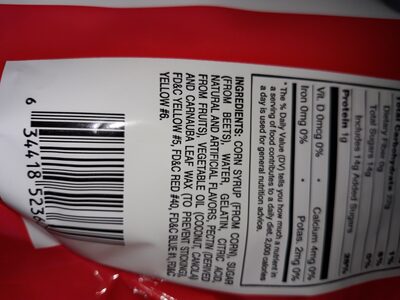
When determining if a processed snack like a Chewy bar is Halal, we have to look past the wholesome oats and chocolate chips and scrutinize the additives. As a food scientist, I look at the chemical function of each ingredient. Here is the analysis of the specific flags found in the ingredient list provided.
Natural Flavor: This is the most common reason for ambiguity in processed foods. While 'natural flavor' sounds innocent, it is a catch-all term for chemical compounds extracted from natural sources. These sources can be plant-based, but they can also be animal-derived. Furthermore, the carrier solvent for these flavors is sometimes alcohol. Without a specific breakdown from the manufacturer, we cannot guarantee the source is 100% plant-based or free of alcohol traces.
Vanilla Extract: This is a classic ingredient that poses a risk in strict Halal diets. Traditional vanilla extract is made by macerating vanilla beans in a solution of ethanol (alcohol) and water. While the alcohol content in a single bar might be minuscule, strict Halal guidelines often prohibit ingredients where alcohol is used as a processing aid or solvent. Unless the product specifies 'alcohol-free vanilla,' this is a red flag.
Dairy and Cross-Contamination: The presence of dry whole milk, milkfat, and nonfat dry milk confirms that these bars contain dairy. While dairy is Halal, it is crucial for those with allergies. Additionally, the inclusion of enriched flour and wheat flakes indicates the presence of gluten. Oats are naturally gluten-free, but they are frequently processed on the same equipment as wheat, leading to potential cross-contamination.
Nutritional Value
From a nutritional standpoint, Chewy bars are a dense source of energy, primarily derived from carbohydrates and fats. The ingredient list shows a heavy reliance on sweeteners to achieve that 'chewy' texture and flavor profile. You will find corn syrup, corn syrup solids, invert sugar, and fructose listed. These are simple sugars that can spike blood glucose levels rapidly, providing a quick burst of energy but potentially leading to a crash later.
The fat content comes from canola oil and palm oil. While these are plant-based fats, the processing methods (such as bleaching and deodorizing) can sometimes involve agents that raise health concerns, though they are generally considered safe for consumption. The calorie count is significant for a small bar, meaning they should be consumed in moderation if you are watching your weight. They are not 'empty calories'—they do provide some fiber from the oats—but the high sugar content outweighs the fiber benefits.
Frequently Asked Questions
Does Chewy bars contain dairy or gluten?
Is Chewy bars good for weight loss?
Where can I buy Chewy bars?
Is Chewy bars safe for kids?
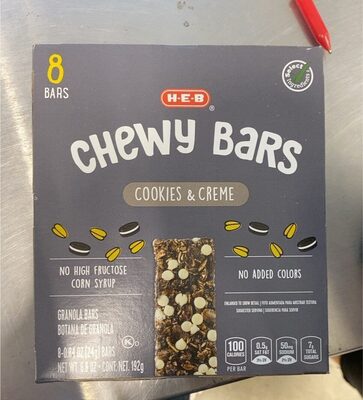
Chewy bars
Halal Analysis
We recommend searching for certified Halal alternatives.
Pro Tip
Always double-check the label. Manufacturers change ingredients frequently without notice!