
Is chopped ham honey Halal?
No, chopped ham honey is not Halal. As a processed meat product, its primary ingredient is ham, which is derived from pork. In Islamic dietary laws, pork and its by-products are strictly prohibited (Haram), rendering this product unsuitable for a Halal diet regardless of the addition of honey.
The Ingredient Breakdown
When determining if a processed food is Halal, we must look beyond the marketing terms like "honey" and examine the core components. In the case of chopped ham honey, the verdict is clear, but the details of the ingredient list reveal why it is strictly forbidden and highlight potential hidden risks.
The most critical ingredient is ham. While the label explicitly lists "ham," it is vital to understand that ham is meat from the hind leg of a pig. In Islamic jurisprudence, the consumption of pork is explicitly forbidden. Therefore, any product where ham is the main ingredient is automatically non-Halal. The addition of honey does not negate this prohibition; it is merely a flavoring agent.
Further down the list, we see pork stock. This is a secondary, yet equally significant, red flag. Pork stock is a liquid made by simmering pork bones and meat. Its presence confirms that the product is entirely derived from porcine sources. Even if the term "ham" were ambiguous to a consumer, the inclusion of pork stock leaves no room for doubt regarding the source material.
Additionally, the product contains sodium nitrite. While sodium nitrite itself is a salt and generally considered chemically Halal, its source and the overall product context matter. In this case, it is used as a preservative in a pork product. For a Muslim consumer, the concern is not just the chemical itself, but the impurity (najas) associated with the vessel and the final product. Since the final product is impure due to the pork, the status of the additives becomes irrelevant to the overall Halal verdict.
Nutritional Value
From a nutritional standpoint, chopped ham honey is a processed meat product that is high in sodium and contains added sugars. A single serving (typically 28g or about 2 slices) contains a significant amount of the daily recommended value of sodium, largely due to the salt, sodium phosphates, and preservatives like sodium benzoate.
The "honey" aspect adds a touch of sweetness, but the ingredient list also includes corn syrup and dextrose. This means the sugar content is a mix of honey and added refined sugars. For those monitoring their sugar intake or managing diabetes, this product contributes to daily sugar limits without providing significant nutritional benefits.
Regarding fat, the product contains pork fat, which contributes to the calorie count. While it provides protein, it is also high in saturated fats and cholesterol. It does not fit the criteria for a heart-healthy diet and should be consumed sparingly, if at all, by those concerned with cardiovascular health.
Frequently Asked Questions
Does chopped ham honey contain dairy or gluten?
Is chopped ham honey good for weight loss?
Where can I buy chopped ham honey?
Is chopped ham honey safe for kids?
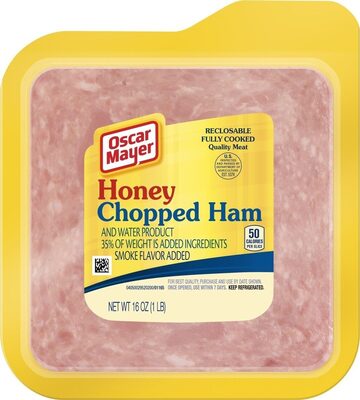
chopped ham honey
Halal Analysis
We recommend searching for certified Halal alternatives.
Pro Tip
Always double-check the label. Manufacturers change ingredients frequently without notice!