
Is Cocoa Krispies Halal?
Is Cocoa Krispies Halal? The answer is MAYBE. While the ingredient list does not explicitly contain pork, alcohol, or other obvious Haram substances, the presence of ambiguous additives and manufacturing risks means it cannot be automatically deemed Halal compliant without further verification from the manufacturer.
The Ingredient Breakdown
As a food scientist, I look beyond the marketing on the box and dive straight into the chemical composition. When analyzing Cocoa Krispies for Halal compliance, we encounter a classic case of "technically permissible but practically questionable."
Let's start with the base: Rice and Sugar. These are naturally Halal. However, the complexity begins with the flavoring agents. The ingredient Malt Flavor is derived from barley. While barley itself is Halal, the processing of malt can sometimes involve alcohol, though this is less common in breakfast cereals than in beer production. The bigger red flag is the Natural Flavor.
In the food industry, "Natural Flavor" is a catch-all term that can legally include ethyl alcohol as a solvent or carrier. Without specific clarification from General Mills regarding the source of this flavor, we cannot guarantee it is free from alcohol traces. Furthermore, the Semisweet Chocolate contains Sugar and Dextrose. While sugar is generally safe, some refined sugars are processed with bone char (an animal byproduct), making them a gray area for strict Halal diets unless certified.
Finally, we must address the Hydrogenated Vegetable Oil. The label specifies coconut, soybean, and/or cottonseed. While these plant oils are Halal, the hydrogenation process often uses catalysts. If a metallic catalyst is used, it is Halal, but if animal-derived enzymes were used (rare but possible), it would be an issue. Without a Halal certification seal, these microscopic risks accumulate.
Nutritional Value
From a nutritional standpoint, Cocoa Krispies are a high-sugar, low-fiber product. A standard serving contains roughly 12 grams of sugar, which constitutes a significant portion of the recommended daily intake. The primary ingredient is rice, making it a high-glycemic food that can spike blood sugar levels rapidly without providing sustained energy.
The fortification with vitamins and minerals (Iron, Vitamin C, Niacinamide, etc.) is a plus, attempting to offset the nutritional void of the processing. However, the presence of Hydrogenated Vegetable Oil introduces trans fats (though labeled as 0g due to rounding rules, trace amounts often remain), which are detrimental to heart health. It fits into a diet only as an occasional treat rather than a daily staple.
Frequently Asked Questions
Does Cocoa Krispies contain dairy or gluten?
Is Cocoa Krispies good for weight loss?
Where can I buy Cocoa Krispies?
Is Cocoa Krispies safe for kids?
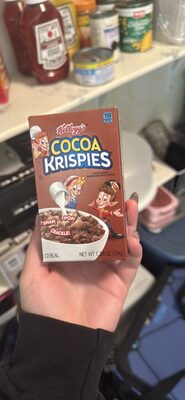
Cocoa Krispies
Halal Analysis
We recommend searching for certified Halal alternatives.
Pro Tip
Always double-check the label. Manufacturers change ingredients frequently without notice!