
Is Coconut chia Kosher?
Yes, Coconut chia is kosher. Based on the ingredient list provided, this product relies entirely on plant-based components like organic oats, chia seeds, and coconut, with no animal-derived additives or processing agents that would violate kosher dietary laws. It is a safe choice for those observing kosher standards.
The Ingredient Breakdown
When determining if a processed food like Coconut chia meets kosher standards, we have to look at the source of every ingredient and how they are processed. Fortunately, the formula for this product is straightforward and relies heavily on whole, organic ingredients. The primary bulk comes from organic rolled whole grain oats. While oats themselves are inherently kosher, they are often subject to cross-contamination from wheat or barley during the harvest. However, because this product specifies the use of organic rice flour and organic milled wheat separately, the manufacturer is likely controlling the grain sources carefully.
The sweetening profile is entirely plant-derived. We see organic cane sugar, organic rice syrup, and organic barley malt flour. In the world of kosher certification, sugar is rarely an issue unless processed with bone char (which is not a concern with organic cane sugar). The inclusion of organic barley malt flour is interesting; barley is one of the five biblical grains, but it requires a specific harvesting process to be considered chametz (leavened) during Passover. Outside of Passover, barley malt is perfectly kosher. The fats are listed as organic vegetable oil, which is a generic term, but in the context of an organic product, this is almost certainly soy, sunflower, or canola oil, all of which are pareve (neutral) and kosher.
Finally, the flavor components are the organic coconuts, organic chia seed, and natural coconut flavor. Chia seeds and coconut are naturally kosher. The term "natural flavor" can sometimes be a red flag for hidden animal derivatives (like castoreum or gelatin), but when paired with organic certification and a plant-based profile, it is usually derived from the named source—in this case, coconut. There are no red flags for dairy, meat, or non-kosher processing aids in this list.
Nutritional Value
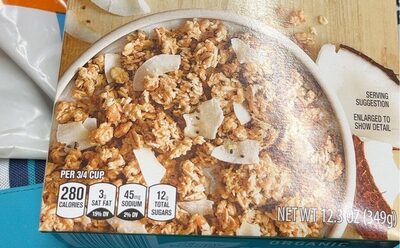
From a nutritional standpoint, Coconut chia offers a mix of complex carbohydrates and healthy fats. The base of organic rolled oats provides a solid source of soluble fiber, specifically beta-glucan, which is excellent for heart health and stabilizing blood sugar levels. The addition of organic chia seeds significantly boosts the omega-3 fatty acid profile, adding a punch of anti-inflammatory benefits and aiding in satiety.
Regarding the caloric density, the inclusion of organic vegetable oil and organic coconuts increases the fat content, which is typical for granola-style products. While these are primarily healthy fats, portion control is key. The sugar content, derived from organic cane sugar and rice syrup, is the main factor to watch. While these are natural sweeteners, they still contribute to the overall glycemic load. For individuals strictly monitoring their sugar intake, this product should be consumed in moderation, but it fits well within a balanced diet focused on whole foods.
Frequently Asked Questions
Does Coconut chia contain dairy or gluten?
Is Coconut chia good for weight loss?
Where can I buy Coconut chia?
Is Coconut chia safe for kids?

Pro Tip
Always double-check the label. Manufacturers change ingredients frequently without notice!