
Is Coconut Crème Kosher?
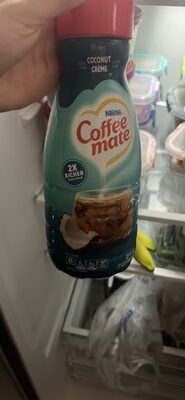
Yes, Coconut Crème is considered Kosher. Despite containing a milk derivative, the specific formulation and processing aids used in this product do not violate Kosher dietary laws. Here is a detailed breakdown of the ingredients and why this product is safe for consumption.
The Ingredient Breakdown
When determining if a processed food is Kosher, we must look beyond the surface and analyze the source and processing of every additive. In the case of Coconut Crème, the formula is surprisingly complex, mixing plant-based oils with dairy derivatives. Let's look at the specific components.
The primary ingredients—water, sugar, and vegetable oil (high oleic soybean and/or canola)—are inherently Kosher. However, the controversy usually begins with additives. The most critical ingredient to scrutinize here is micellar casein. This is a milk derivative. While milk requires a Kosher certification to ensure it hasn't been mixed with non-Kosher animal rennet, the presence of milk does not automatically make a product non-Kosher. In this specific product, the micellar casein is derived from cow's milk and is accepted provided the product carries a reliable Kosher symbol (like a 'U' inside a 'D').
Furthermore, we must look at the emulsifiers and stabilizers. Ingredients like mono and diglycerides are often plant-derived but can sometimes be sourced from animal fats. However, in modern industrial food production, these are almost exclusively soy-based in products like this. The stabilizers—cellulose gel, cellulose gum, and carrageenan—are all derived from plant sources (wood pulp and seaweed, respectively) and are universally accepted in Kosher diets. Finally, dipotassium phosphate is a common mineral salt used to prevent separation, and it poses no Kosher issues.
Nutritional Value
While the Kosher status is confirmed, the nutritional profile of Coconut Crème is where consumers should exercise caution. This is not a 'health food' in the traditional sense; it is a non-dairy creamer designed for texture and sweetness.
The product contains a significant amount of vegetable oil, which contributes to the calorie count without providing substantial nutritional density. While the oils used (high oleic soybean/canola) are high in monounsaturated fats, the overall fat content is high for a liquid product. Additionally, sugar is the second ingredient, meaning this product will spike blood glucose levels faster than a pure coconut milk would. The addition of carrageenan and cellulose gums provides the thick mouthfeel of cream without the saturated fat of real coconut cream, but it also adds processed thickeners to the diet. If you are monitoring your sugar intake or looking for whole-food ingredients, this product falls short, though it fits within standard dietary limits for an occasional treat.
Frequently Asked Questions
Does Coconut Crème contain dairy or gluten?
Is Coconut Crème good for weight loss?
Where can I buy Coconut Crème?
Is Coconut Crème safe for kids?


Pro Tip
Always double-check the label. Manufacturers change ingredients frequently without notice!