
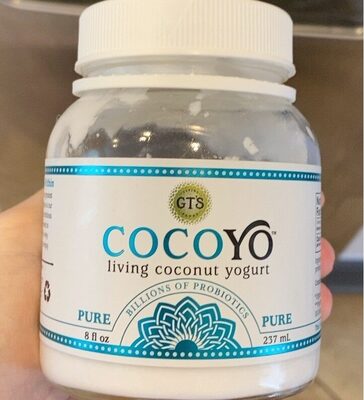
Is Cocoyo living coconut yoghurt Keto?
Yes, Cocoyo living coconut yoghurt is keto-friendly. This product relies on the natural fats of raw young coconut and contains zero added sugars, making it an excellent choice for maintaining ketosis. In this article, we will analyze the ingredients and nutritional profile to explain exactly why it fits your low-carb lifestyle.
The Ingredient Breakdown
As a food scientist, the ingredient list of Cocoyo is a breath of fresh air compared to conventional yoghurts. It follows a 'clean label' philosophy, which is ideal for restrictive diets like Keto. The formula consists of three simple components: raw young coconut, raw young coconut water, and probiotic cultures.
First, let's look at raw young coconut. This is the powerhouse ingredient. Unlike mature coconut, young coconut meat is softer and contains more electrolytes and healthy medium-chain triglycerides (MCTs). For a Keto dieter, MCTs are gold because they are easily converted into ketones for energy. It provides the creamy texture without the need for thickeners or gums, which can sometimes cause digestive distress.
Next is raw young coconut water. In many processed yoghurts, manufacturers use fruit juice or cane sugar to feed the cultures. Cocoyo uses the water inside the coconut instead. While coconut water does contain natural sugars (carbohydrates), the fermentation process consumes much of this sugar. Because the product is unsweetened, the residual sugar content remains very low, keeping the net carb count in check.
Finally, the probiotic cultures. These are simply the live bacteria strains used to ferment the coconut base. They are not a source of carbohydrates. In fact, the fermentation process creates a slightly tangy, acidic environment that helps preserve the product and aids digestion. There are no hidden ingredients, starches, or sweeteners that would kick you out of ketosis.
Nutritional Value
When evaluating a product for Keto, we look at the macronutrient ratio: high fat, moderate protein, and very low carbohydrates. Cocoyo fits this profile well. A typical serving contains roughly 15 to 20 grams of fat, which is comparable to full-fat dairy yoghurt. This high fat content is essential for satiety and meeting your daily fat macros.
The carbohydrate content is the most critical factor. Because the ingredients are purely coconut and cultures, the total carbohydrates generally sit around 3-4 grams per serving. However, the key metric for Keto is Net Carbs (Total Carbs minus Fiber). Coconut is a source of dietary fiber, which lowers the net carb count significantly. This usually results in a net carb count of 1-2 grams per serving, which easily fits within the strict daily limit of 20-50 grams allowed on a Keto diet.
Regarding calories, the product is energy-dense due to the fat content, typically ranging between 150-200 calories per serving. While this is higher than non-fat dairy yoghurt, it is beneficial for Keto dieters who need to increase their caloric intake from fats rather than carbohydrates. It provides a satiating snack that prevents hunger spikes.
Frequently Asked Questions
Does Cocoyo living coconut yoghurt contain dairy or gluten?
Is Cocoyo living coconut yoghurt good for weight loss?
Where can I buy Cocoyo living coconut yoghurt?
Is Cocoyo living coconut yoghurt safe for kids?


Pro Tip
Always double-check the label. Manufacturers change ingredients frequently without notice!