
Is cranberry ciabatta Keto?
If you are strictly following a ketogenic diet, you need to avoid cranberry ciabatta. While the combination of tart cranberries and airy bread sounds delicious, the ingredients list tells a different story. This bread is loaded with wheat flour and hidden sugars that make it incompatible with keto macros.
The Ingredient Breakdown
As a food scientist, I look at the formulation of products to determine their metabolic impact. The verdict on cranberry ciabatta is a hard 'no' for keto, and here is exactly why.
The primary ingredient is Enriched Unbleached Wheat Flour. This is the standard flour used in most commercial breads. It is milled from the endosperm of the wheat kernel, stripping away the fiber and germ. What remains is almost pure starch, which your body converts into glucose rapidly. On a keto diet, this is the primary enemy.
Next, we see Malted Barley Flour and Dry Malt. Barley is a cereal grain similar to wheat. Malted barley is often added to improve the bread's rise and flavor, but it contributes to the overall carbohydrate count. It is not a low-carb ingredient.
The sweet component is the culprit that makes this bread truly non-keto. The cranberries are not just dried fruit; they are treated with Sugar. Furthermore, the Crumb Softener contains Dextrose. Dextrose is a form of sugar derived from starch (often corn or wheat) and has a high glycemic index. It is used to keep the bread soft but adds a significant spike in blood sugar.
Finally, we have Cultured Wheat Starch. While 'cultured' sounds natural, the base ingredient is still wheat starch. This is a refined carbohydrate. Even the oil blend and the vitamins are irrelevant to the keto argument because the sheer volume of carbohydrates from the flour, starch, and sugar overrides any potential benefits.
Nutritional Value
From a nutritional standpoint, cranberry ciabatta is a high-carbohydrate, moderate-fat food. A standard serving of ciabatta (roughly one ounce or 28 grams) typically contains between 15 to 20 grams of carbohydrates. Because the flour is enriched, it offers some B-vitamins like Niacin and Thiamin, but this does not mitigate the sugar load.
The fat content comes from the Olive Blend (Canola and Olive oil). While olive oil is keto-friendly, the amount used in bread dough is usually not enough to offset the massive carb count of the flour. To fit into a ketogenic diet, you generally aim for under 20-50 grams of net carbs per day. A single slice of this bread could consume your entire daily allowance.
Additionally, the added sugar in the cranberries and the dextrose in the softener contribute to the 'net' carb count without providing satiety. This type of carbohydrate profile promotes insulin spikes, which is exactly what the keto diet aims to prevent.
Frequently Asked Questions
Does cranberry ciabatta contain dairy or gluten?
Is cranberry ciabatta good for weight loss?
Where can I buy cranberry ciabatta?
Is cranberry ciabatta safe for kids?
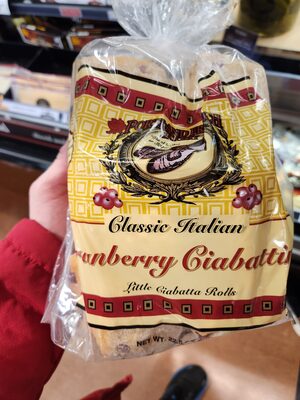
cranberry ciabatta
Keto Analysis
We recommend searching for certified Keto alternatives.
Pro Tip
Always double-check the label. Manufacturers change ingredients frequently without notice!