
Is Salsa Keto?
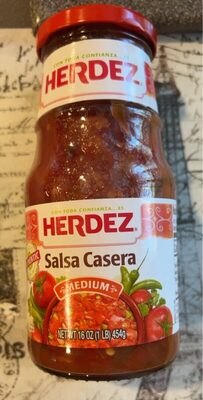
Yes, salsa is keto-friendly. This zesty condiment is naturally low in carbohydrates and free from high-sugar additives, making it an excellent choice for those following a ketogenic diet. It adds a burst of flavor to your meals without the carb-heavy guilt.
The Ingredient Breakdown
As a food scientist, I look at the label to determine if a product fits a restrictive diet like keto. The ingredients list for this salsa is refreshingly simple and aligns with a whole-food approach. Let's look at the specific components.
The base consists of tomatoes, onions, and chili peppers. Tomatoes and onions do contain natural sugars (carbohydrates), but in a standard serving size of salsa, the amount is negligible and fits easily within daily keto macros. Chili peppers, such as serrano and jalapeno, provide the heat and are very low in net carbs while offering a dose of capsaicin, which may have a slight metabolic benefit.
The remaining ingredients are salt, cilantro, pectin, and citric acid. Salt and cilantro are zero-carb flavor enhancers. Citric acid is a natural preservative derived from citrus fruits and has no impact on blood sugar. Pectin is a plant-based thickening agent. While technically a fiber, the amount used in salsa is microscopic and does not contribute to the overall carb count in a meaningful way. There are no maltodextrins, dextrose, or other hidden starches often used as fillers in processed foods.
Nutritional Value
From a nutritional standpoint, salsa is a powerhouse of flavor with a very low caloric cost. A typical two-tablespoon serving contains roughly 10 calories. The macronutrient breakdown is almost entirely carbohydrates, but we must look at the net carbs to understand its keto compatibility.
With approximately 2g of total carbohydrates and 1g of dietary fiber per serving, the net carb count is only 1g. This is well within the strict limits of a ketogenic diet, which usually caps net carbs at 20-50g per day. Furthermore, salsa contains virtually no fat, which is not a problem as the fat for your diet should come from your main meals (meats, avocados, oils). The lack of sugar and fat makes it a 'free' food in terms of caloric budgeting, allowing you to use it generously to make lean proteins more palatable.
Frequently Asked Questions
Does Salsa contain dairy or gluten?
Is Salsa good for weight loss?
Where can I buy Salsa?
Is Salsa safe for kids?

Pro Tip
Always double-check the label. Manufacturers change ingredients frequently without notice!