
Is creatine Kosher?
Yes, creatine is generally considered Kosher. Based on a detailed analysis of the ingredient profile, including Creatine Monohydrate and artificial sweeteners, no non-Kosher flags were found. This makes it a viable option for those adhering to Jewish dietary laws, provided the specific brand follows standard manufacturing practices.
The Ingredient Breakdown
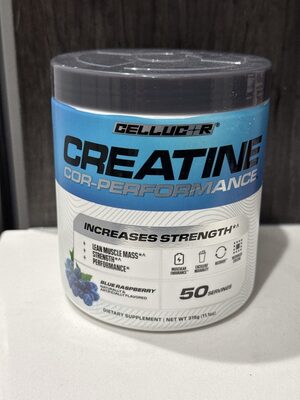
When determining if a supplement like creatine meets Kosher standards, we must look at the source of every component. The specific profile provided includes Creatine Monohydrate, which is the primary active ingredient. In its pure form, creatine is synthesized in a laboratory setting or derived from animal products, but the synthetic version is the standard for supplements and is inherently Kosher (pareve) as it does not come from meat or dairy sources.
The flavoring and functional ingredients also pass the test. Natural and Artificial Flavors can sometimes be a red flag if they contain meat derivatives, but in the context of a fruit-flavored supplement powder, these are almost exclusively plant-based or synthetic, rendering them Kosher. Similarly, colorants like Spirulina Extract are derived from algae and are perfectly acceptable. The preservatives and flow agents, including Citric Acid, Malic Acid, and Silicon Dioxide, are mineral-based or derived from fermentation processes that do not involve non-Kosher ingredients.
Finally, the sweetening blend consisting of Sucralose and Acesulfame Potassium is chemically synthesized. Unlike sugar, which can sometimes be processed with bone char (making it a concern for strict Kosher observers), artificial sweeteners bypass this issue entirely. Since the verdict is a definitive YES with no flags, this specific formulation avoids the common pitfalls of hidden dairy, gelatin, or insect-derived ingredients.
Nutritional Value
From a nutritional standpoint, creatine is unique because it is not a source of calories, fat, or sugar in the traditional sense. The core ingredient, Creatine Monohydrate, contains zero calories. However, the additives in this specific formulation—specifically the sweeteners Sucralose and Acesulfame Potassium—provide the sweetness without adding sugar or carbohydrates. This makes the product an excellent fit for low-carb or Keto diets where sugar intake must be strictly limited.
Regarding fat and protein content, creatine supplements typically contain negligible amounts of both. This product is designed for performance enhancement rather than nutrition, meaning it fits easily into almost any dietary limit without disrupting caloric intake. The inclusion of Salt is minimal and likely used for flavor balancing rather than significant sodium loading, though those on strict low-sodium diets should always check the specific label serving size.
Frequently Asked Questions
Does creatine contain dairy or gluten?
Is creatine good for weight loss?
Where can I buy creatine?
Is creatine safe for kids?
Pro Tip
Always double-check the label. Manufacturers change ingredients frequently without notice!