
Is Crunchmaster crackers Gluten Free?
The short answer is MAYBE. While Crunchmaster crackers are primarily crafted from gluten-free grains like brown rice and quinoa, there is a specific ingredient that requires a closer look. This analysis breaks down why these crackers are generally safe for gluten avoidance, but why strict celiacs should proceed with caution.
The Ingredient Breakdown
As a food scientist, the first thing I look at is the base of the cracker. The primary flour used here is brown rice flour, which is naturally gluten-free and provides a solid structural base without the need for wheat. The company also incorporates a variety of nutrient-dense seeds like flax seeds, amaranth, and quinoa. These are excellent choices for a gluten-free product, adding texture and fiber without relying on processed binders.
However, the plot thickens when we reach the seasoning blend. The product contains tamari soy sauce powder. While tamari is often marketed as a 'wheat-free' alternative to traditional soy sauce, it is derived from fermented soybeans. The critical distinction here is that while tamari is often gluten-free, it is not inherently gluten-free. Some brands of tamari still contain trace amounts of wheat, or the product may be processed in a facility that handles wheat. Furthermore, the inclusion of natural flavors and yeast extract are proprietary blends that, while usually safe, can sometimes be derived from gluten-containing sources, though this is less common in North American markets.
Finally, we must address the allergen statement. The label explicitly states it contains milk, sesame, and soy. The presence of milk indicates the use of a dairy derivative, likely whey or lactose, which acts as a flavor enhancer. This is a crucial detail for those following a vegan diet or managing lactose intolerance, as it is not a 'clean label' product in that regard.
Nutritional Value
From a nutritional standpoint, Crunchmaster crackers are relatively moderate. A standard serving contains roughly 130 calories, which is standard for a cracker serving size. The fat content is primarily driven by olive oil and sesame seeds, which are heart-healthy fats. Unlike many crackers that rely on palm oil or hydrogenated shortenings, the fat profile here is better.
Sugar content is low, usually under 1 gram per serving, which is excellent for those monitoring blood sugar levels. However, the sodium content can be a bit high for those on a strict low-sodium diet, hovering around 200mg per serving due to the sea salt and tamari seasoning. Overall, it fits well into a balanced diet as a savory snack, provided you aren't sensitive to the soy or milk allergens.
Frequently Asked Questions
Does Crunchmaster crackers contain dairy or gluten?
Is Crunchmaster crackers good for weight loss?
Where can I buy Crunchmaster crackers?
Is Crunchmaster crackers safe for kids?
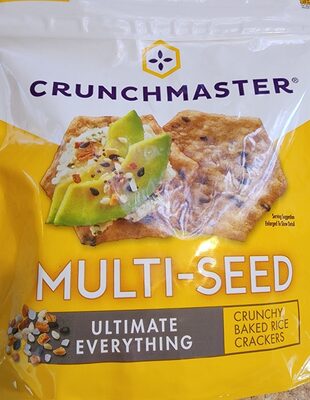
Crunchmaster crackers
Gluten Free Analysis
We recommend searching for certified Gluten Free alternatives.
Pro Tip
Always double-check the label. Manufacturers change ingredients frequently without notice!