
Is Dairy Whipped Topping Keto?
No, Dairy Whipped Topping is not keto-friendly. While the name suggests a creamy, low-carb treat, the inclusion of dextrose as a primary ingredient makes it a poor choice for maintaining ketosis. If you are strictly following a ketogenic diet, this specific product will likely spike your blood sugar and kick you out of fat-burning mode.
The Ingredient Breakdown
As a food scientist, I look past the marketing claims and go straight to the ingredient label. When we analyze this Dairy Whipped Topping, we find a mix of stabilizers, emulsifiers, and a significant carbohydrate source that makes it incompatible with the keto diet.
The primary culprit here is dextrose. Dextrose is a form of glucose derived from corn. It is a simple sugar with a high glycemic index, meaning it is absorbed into the bloodstream very quickly. On a keto diet, the goal is to limit total carbohydrate intake (usually under 20-50 grams per day) to keep insulin levels low and force the body to burn fat for fuel. Adding dextrose is essentially adding pure sugar, which triggers an insulin response that halts ketosis.
Next, we see sodium caseinate. This is a milk derivative used as a protein stabilizer. While dairy proteins generally have a low impact on blood sugar, this ingredient confirms the product is dairy-based. For those with a strict dairy allergy, this is a risk factor, though it is technically keto-compliant on its own. However, it is often processed alongside other ingredients that may not be.
The texture of this topping is maintained by a chemical orchestra of dipotassium phosphate, mono- and diglycerides, and carrageenan. Mono- and diglycerides are emulsifiers that keep the oil and water phases mixed. While generally recognized as safe, they are often derived from soy or other vegetable oils, which are common in processed foods. Carrageenan is a thickener derived from red seaweed; it is keto-safe but controversial regarding gut health, though that is a separate issue from the carb count.
Finally, we have tricalcium phosphate and sodium aluminosilicate. The former is an anti-caking agent and calcium supplement. The latter is an anti-caking agent often used in powdered products to prevent clumping. Neither adds carbs, but their presence indicates a highly processed, shelf-stable product rather than a whole food. The artificial flavor and annatto color are cosmetic additives that do not contribute to the nutritional profile but confirm this is a synthetic food product.
Nutritional Value
When evaluating a product for a ketogenic lifestyle, the macronutrient ratio is king. We need high fat, moderate protein, and very low carbohydrates. Unfortunately, Dairy Whipped Topping fails this test primarily due to its sugar content.
Because the first ingredient listed is dextrose, we can assume it contributes a significant portion of the carbohydrate count. A typical serving of a whipped topping like this might contain 2 to 4 grams of carbohydrates per serving. While 4 grams might not sound like much, it is almost entirely sugar. On keto, you want to save your carbohydrate allowance for nutrient-dense vegetables like broccoli or spinach, not empty calories from sugar.
Furthermore, the fat content in this product is likely derived from vegetable oils rather than high-quality animal fats. While it provides calories, the lack of satiety compared to real heavy cream is notable. Real heavy cream has almost zero sugar and high fat, making it the gold standard for keto coffee or desserts. This topping replaces that healthy fat with sugar and fillers, offering a 'light' version that is detrimental to the keto dieter's goals.
Frequently Asked Questions
Does Dairy Whipped Topping contain dairy or gluten?
Is Dairy Whipped Topping good for weight loss?
Where can I buy Dairy Whipped Topping?
Is Dairy Whipped Topping safe for kids?


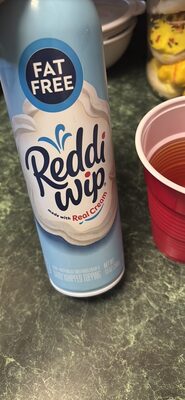
Dairy Whipped Topping
Keto Analysis
We recommend searching for certified Keto alternatives.
Pro Tip
Always double-check the label. Manufacturers change ingredients frequently without notice!