
Is dulce de leche Keto?
No, standard dulce de leche is not keto-friendly. While it is creamy and sweet, the specific ingredients list reveals hidden starches and sweeteners that will spike your blood sugar and break ketosis. If you are following a strict ketogenic diet, this is one sweet treat you need to avoid or replace.
The Ingredient Breakdown
As a food scientist, I look past the marketing and straight at the formulation. The ingredients list for this specific dulce de leche product tells a clear story: it is designed as a shelf-stable dessert, not a metabolic fuel source. Here is why it fails the keto test.
The primary red flag is modified corn starch. In the food industry, we use modified starches to thicken liquids and stabilize emulsions. However, corn starch is pure carbohydrate. It is rapidly converted into glucose (sugar) in your body. On a keto diet, you strictly limit carbohydrates—usually under 20 to 50 grams per day—to maintain a state of ketosis. Adding corn starch is essentially adding a pure sugar spike that will immediately kick you out of ketosis.
Next, we have the sweetener xylitol. Xylitol is a sugar alcohol, and while it has a low glycemic index compared to table sugar, it is not strictly zero-carb. Furthermore, many people following a ketogenic diet avoid sugar alcohols because they can cause digestive distress (bloating and gas) and some believe they still trigger an insulin response. While xylitol is better than pure sucrose, it is not the preferred sweetener for strict keto.
Finally, the presence of water and milk protein concentrate indicates a diluted product. Traditional dulce de leche is made by slowly reducing milk and sugar until it caramelizes. This product uses milk protein concentrate and water to bulk up the volume, likely to reduce costs, but this also alters the macronutrient ratio, adding liquid volume without adding the healthy fats that make keto viable.
Nutritional Value
From a nutritional standpoint, this dulce de leche is high in calories derived primarily from carbohydrates, not fat. In a standard ketogenic diet, your macronutrient split should be roughly 70-75% fat, 20% protein, and only 5% carbohydrates. This product flips that ratio on its head.
The hydrogenated vegetable oils (coconut and palm kernel oils) provide fat, but they are processed fats. While coconut oil contains MCTs (Medium Chain Triglycerides) which are excellent for keto, the hydrogenation process and the presence of modified corn starch negate the benefits. You are essentially consuming a high-carb, processed fat product.
Even a small serving of this dulce de leche could contain a significant portion of your daily carb limit without providing satiety. The sugar content derived from the corn starch and the milk sugars (lactose) will likely exceed your daily allowance immediately. It is a high-calorie, low-nutrient density food that does not fit the metabolic goals of a ketogenic lifestyle.
Frequently Asked Questions
Does dulce de leche contain dairy or gluten?
Is dulce de leche good for weight loss?
Where can I buy dulce de leche?
Is dulce de leche safe for kids?
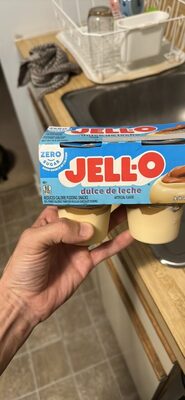
dulce de leche
Keto Analysis
We recommend searching for certified Keto alternatives.
Pro Tip
Always double-check the label. Manufacturers change ingredients frequently without notice!