
Is English Muffin Gluten Free?
No, English Muffins are not gluten-free. If you are strictly avoiding gluten due to Celiac disease or gluten sensitivity, you should avoid this product. The primary ingredients are derived from wheat and barley, making it unsafe for a gluten-free diet.
The Ingredient Breakdown
As a food scientist, I look at the label to determine safety for specific dietary restrictions. The verdict for the English Muffin is clear: it is a gluten-containing product. The primary culprit is the flour blend used to create the bread's structure.
The very first ingredient listed is enriched wheat flour. This is the standard flour used in most bread products and is the primary source of gluten (gliadin and glutenin proteins). It is not wheat-free, and therefore, not safe for anyone with Celiac disease. Following this, we see malted barley flour. Barley is one of the three main gluten-containing grains (along with wheat and rye). The inclusion of malted barley flour adds a distinct flavor but introduces additional gluten and potential cross-contamination risks.
Furthermore, the ingredient list includes farina, which is a form of milled wheat kernel, usually the endosperm. While it is often used as a hot cereal, in baking, it contributes to the soft texture but adds to the total gluten load. The presence of yeast confirms this is a leavened bread, which requires a gluten structure to trap the gas bubbles produced during fermentation.
Finally, the label explicitly lists soy and whey. While these are not gluten ingredients, they indicate that the product is not free from common allergens. Whey is a milk derivative, and soy is a legume. This means the muffin contains both dairy and soy allergens, which is important for those managing multiple dietary restrictions.
Nutritional Value
From a nutritional standpoint, the English Muffin is a source of carbohydrates and is often fortified with vitamins. The label lists several B vitamins, including niacin, thiamin mononitrate, riboflavin, and folic acid, along with reduced iron. This enrichment process adds back nutrients that are lost during the processing of the wheat grain.
Regarding macronutrients, the muffin provides a moderate amount of calories primarily from carbohydrates derived from the wheat and sugar. The sugar content contributes to the flavor and browning. While it is not a high-fat food, the presence of soy lecithin acts as an emulsifier, helping to blend the fats and liquids for a consistent texture.
For those watching their sodium intake, note the presence of sea salt and the chemical leavening agents like sodium acid pyrophosphate and baking soda, which contribute to the total sodium count. It fits into a standard diet as a breakfast staple, but it is not a low-carb or keto-friendly option due to the high grain content.
Frequently Asked Questions
Does English Muffin contain dairy or gluten?
Is English Muffin good for weight loss?
Where can I buy English Muffin?
Is English Muffin safe for kids?

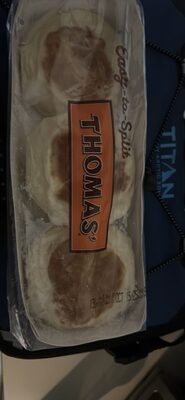
English Muffin
Gluten Free Analysis
We recommend searching for certified Gluten Free alternatives.
Pro Tip
Always double-check the label. Manufacturers change ingredients frequently without notice!