
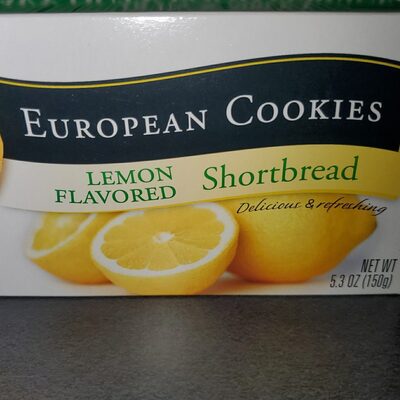
Is European cookies Halal?
Yes, European cookies are Halal. Based on the ingredient list provided, there are no red flags such as alcohol, pork derivatives, or animal shortening that would render them impermissible. They are primarily composed of standard baking ingredients like wheat flour, vegetable oil, and eggs.
The Ingredient Breakdown
When determining if a packaged sweet is Halal, we look past the brand name and straight at the chemistry. For these European cookies, the formulation is surprisingly straightforward, relying on classic baking staples. Let's analyze the key components to understand why they pass the Halal test.
The primary fat source is non-hydrogenated palm oil. This is a significant win for Halal compliance. Many commercial cookies historically used animal shortening (lard) or hydrogenated fats which can contain hidden animal by-products. Palm oil is plant-derived, making it inherently Halal. However, as a food scientist, I must note that while Halal, palm oil is calorie-dense and high in saturated fats, which impacts the nutritional profile we will discuss later.
For structure and sweetness, the recipe uses wheat flour and sugar. These are universally Halal. The flour provides the gluten network, while sugar sweetens the profile. The leavening agent listed is ammonium bicarbonate. This is a common chemical leavener used in European baking (particularly for crisp biscuits) to create a light texture. It is a synthetic salt and poses no Halal concerns.
The flavor and richness come from natural lemon flavor and whole egg powder. The use of whole egg powder is a standard shelf-stable ingredient and is Halal. The only cautionary note in this section is the allergen warning: the cookies are processed in a facility that handles milk, soy, and tree nuts. While these are not 'haram' (forbidden), they are critical for those with allergies.
Nutritional Value
While these cookies are Halal, they should be treated as an occasional treat rather than a dietary staple. The nutritional label indicates a profile typical of a sweet biscuit: high in refined carbohydrates and fats, with zero protein, vitamins, or minerals. The '0%' values across the board for iron, calcium, and potassium confirm that these cookies offer no micronutrient benefits.
The lack of nutritional density means these cookies provide 'empty calories'—energy without the accompanying vitamins or minerals your body needs to function. If you are managing your weight or blood sugar, the combination of non-hydrogenated palm oil and sugar can cause a rapid spike in glucose levels followed by a crash. They are safe to eat in moderation, but they do not align with a nutrient-dense, healthy diet.
Frequently Asked Questions
Does European cookies contain dairy or gluten?
Is European cookies good for weight loss?
Where can I buy European cookies?
Is European cookies safe for kids?
Pro Tip
Always double-check the label. Manufacturers change ingredients frequently without notice!