
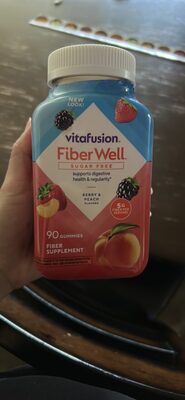
Is Fiber Well Fiber Supplement Kosher?
The short answer is MAYBE. While Fiber Well Fiber Supplement is free from obvious non-kosher meat derivatives, it contains gelatin, a major red flag for strict kosher observers. This article investigates the source of that gelatin and analyzes the full ingredient list to help you decide if it fits your dietary standards.
The Ingredient Breakdown
When determining if a supplement is kosher, we look beyond the main function and dive into the microscopic details of the sourcing. For Fiber Well, the primary active ingredient is Polydextrose. This is a synthetic soluble fiber, essentially a chain of glucose molecules. It is manufactured in a lab and is inherently vegan and kosher. The base is a simple mix of water and xylitol, a sugar alcohol used as a sweetener, which are also universally acceptable.
The controversy begins with the gelling agent: gelatin. Gelatin is a protein obtained by boiling skin, tendons, ligaments, and/or bones with water. It is usually obtained from cows or pigs. In a general consumer product like this, the gelatin is almost certainly standard beef or pork derived. Without a specific kosher certification symbol (like a 'U' in a circle or a 'K' with a 'D') on the bottle, you must assume the gelatin is not kosher. Even if it were beef gelatin, it would require the animal to have been slaughtered according to Jewish law (shechita) to be considered kosher, which is rarely the case for generic supplements.
Further down the list, we see a blend of oils (coconut and/or palm) with beeswax and/or carnauba wax. Palm oil has faced scrutiny regarding ethical sourcing, but from a kosher perspective, it is a vegetable oil and acceptable. Beeswax is generally considered kosher (pareve) by most authorities, though strict vegans avoid it. The colors used—annatto extract, blueberry and carrot concentrates, and purple carrot juice concentrate—are all derived from plants and pose no kosher issues. Finally, we have malic acid (an organic acid found in apples), natural flavors, and sucralose. The 'natural flavors' are the only wildcard here; while usually plant-derived, they can sometimes contain trace alcohol or dairy derivatives, though in a fiber supplement, this is unlikely. The dealbreaker remains the unverified gelatin.
Nutritional Value
From a nutritional standpoint, Fiber Well is designed for convenience rather than whole-food purity. The caloric density is relatively low, which is good for a supplement intended to aid digestion without adding significant energy intake. The primary sweetener is xylitol, followed by sucralose. This combination allows the product to taste palatable without spiking blood sugar, making it a viable option for those monitoring glycemic response or managing diabetes.
The fat content comes from the trace oils and waxes used to stabilize the texture. These amounts are negligible and unlikely to contribute significantly to your daily fat limits. However, the reliance on artificial sweeteners and synthetic fibers means this product is a functional tool rather than a nutritional powerhouse. It fits well into a diet focused on increasing fiber intake quickly—often a struggle for modern diets—but lacks the micronutrients found in fiber-rich whole foods like chia seeds or legumes.
Frequently Asked Questions
Does Fiber Well Fiber Supplement contain dairy or gluten?
Is Fiber Well Fiber Supplement good for weight loss?
Where can I buy Fiber Well Fiber Supplement?
Is Fiber Well Fiber Supplement safe for kids?

Fiber Well Fiber Supplement
Kosher Analysis
We recommend searching for certified Kosher alternatives.
Pro Tip
Always double-check the label. Manufacturers change ingredients frequently without notice!