
Is Fish Oil Keto? An Investigative Analysis
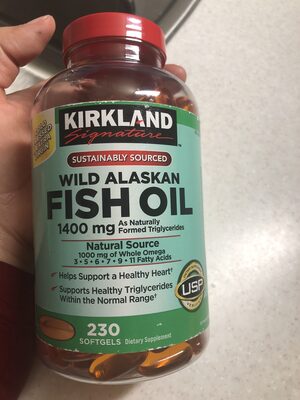
Yes, fish oil is absolutely keto. Based on an analysis of standard Wild Alaskan Fish Oil softgels, this supplement is composed almost entirely of fat, containing virtually zero carbohydrates. It is not only compatible with the ketogenic diet but is also highly recommended for supporting metabolic health while in ketosis.
The Ingredient Breakdown
When evaluating a supplement for the ketogenic diet, the primary goal is to identify hidden carbohydrates or fillers that could disrupt ketosis. Let's look at the specific ingredients found in a typical Wild Alaskan Fish Oil supplement.
The star of the show is Wild Alaskan Fish Oil. This is the pure fuel. It is listed as being in its natural triglyceride form, which is the way nature intended it and ensures optimal absorption. Since this is a fat source, it has a glycemic index of zero and actively supports the metabolic state of ketosis.
Next, we have the capsule itself: Gelatin (Bovine) and Water. Gelatin is a protein derived from animal collagen. It contains no carbohydrates and is often used on keto for its gut-healing properties. Water is, well, water—it has no caloric impact.
Finally, we see Glycerin and Vitamin E. Glycerin is often used as a humectant to keep the softgel pliable. While glycerin can technically be metabolized, the amount in a single serving of fish oil is negligible (often less than 0.5g total) and does not impact blood sugar. The Vitamin E acts as a natural antioxidant to preserve the oil, completely safe for keto.
Nutritional Value
To understand why this fits the keto diet, we have to look at the macros. A standard serving of fish oil (usually two softgels) provides roughly 2,000mg of fat. This is a significant amount of energy that aligns perfectly with the high-fat requirements of a ketogenic lifestyle.
Crucially, the carbohydrate count is 0g. There is no sugar, no starch, and no maltodextrin used as a filler. The protein content is minimal, coming solely from the gelatin capsule shell, usually amounting to less than 1g per serving.
Because the caloric density comes exclusively from fat, fish oil does not trigger an insulin response. In fact, the Omega-3 fatty acids found in the oil have been shown to improve insulin sensitivity, which is a major benefit for those trying to manage their blood sugar levels on a low-carb diet.
Frequently Asked Questions
Does Fish oil contain dairy or gluten?
Is Fish oil good for weight loss?
Where can I buy Fish oil?
Is Fish oil safe for kids?




Pro Tip
Always double-check the label. Manufacturers change ingredients frequently without notice!