
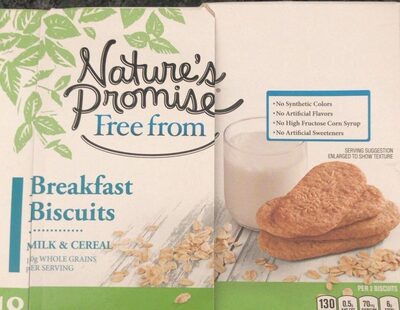
Is Free from milk & cereal breakfast biscuits Halal?
The short answer is MAYBE. While 'Free from milk & cereal breakfast biscuits' avoid obvious Haram ingredients like gelatin or alcohol, the inclusion of ambiguous additives like 'Natural Flavor' and 'Malt Extract' prevents a definitive Halal certification without manufacturer clarification. Here is a deep dive into the ingredients to help you decide.
The Ingredient Breakdown
As a food scientist, I look beyond the marketing claims and straight into the formulation. When analyzing a product for Halal compliance, we aren't just looking for pork or alcohol; we are looking for the hidden sources of enzymes and flavorings. Here is the breakdown of the key ingredients in these biscuits.
Wholemeal Wheat Flour & Wheat Flour: These are the primary structural ingredients. They are naturally Halal. However, for those with Celiac disease or gluten sensitivity, it is important to note that wheat and barley (listed in the cereal mix) are gluten-containing grains.
Milk Powder: The product name says 'Free from milk,' but the ingredient list includes Milk Powder. This is a contradiction in labeling that suggests the 'Free from' refers to a specific allergen-free facility or a 'free from artificial colors' claim, rather than dairy-free. Standard milk powder is Halal, provided it does not contain rennet from non-Halal sources, though this is rare in powder form.
Barley Malt Extract & Barley Malt Flour: Malt is a common ingredient in breakfast biscuits for flavor and browning. Barley itself is Halal. However, Malt Extract is sometimes processed using alcohol as a solvent in industrial settings, though this is less common in dry baked goods than in beverages. Without a Halal certificate, this remains a low-risk but notable flag.
Natural Flavor: This is the most significant flag in the ingredient list. 'Natural Flavor' is a broad term that can be derived from plant or animal sources. In breakfast cereals and biscuits, natural flavor can occasionally contain trace amounts of animal-derived enzymes or alcohol-based carriers. Because the source is not specified, we cannot definitively say the product is Halal without asking the manufacturer.
Nutritional Value
From a nutritional standpoint, these biscuits are a dense source of energy. The primary macronutrients are carbohydrates from the various flours (wheat, rye, buckwheat) and added sugars (sugar, malt extract).
Sugar Content: The presence of sugar and malt extract means these biscuits have a moderate glycemic index. While they provide a quick energy boost, they may not be ideal for those managing blood sugar levels.
Fat Profile: The fats come from rapeseed oil and sunflower lecithin. These are plant-based oils, which are generally considered healthier than saturated animal fats. However, biscuits are calorie-dense, so portion control is key if you are watching your weight.
Fiber: A positive aspect is the inclusion of wholemeal wheat flour, oat flakes, and wheat bran. This provides dietary fiber, which aids in digestion and helps you feel full longer compared to sugary pastries.
Frequently Asked Questions
Does Free from milk & cereal breakfast biscuits contain dairy or gluten?
Is Free from milk & cereal breakfast biscuits good for weight loss?
Where can I buy Free from milk & cereal breakfast biscuits?
Is Free from milk & cereal breakfast biscuits safe for kids?

Free from milk & cereal breakfast biscuits
Halal Analysis
We recommend searching for certified Halal alternatives.
Pro Tip
Always double-check the label. Manufacturers change ingredients frequently without notice!