
Is Gelatin Dessert, Orange Halal?
No, Gelatin Dessert, Orange is generally not considered Halal. While the vibrant orange flavor and color are appealing, the primary structural ingredient raises significant concerns for those following strict dietary laws. This article investigates exactly why this specific dessert fails the Halal test and what you should look for instead.
The Ingredient Breakdown
As a food scientist, I look beyond the marketing claims and straight into the molecular composition of food. When we analyze the ingredients list for Gelatin Dessert, Orange, the verdict becomes clear almost immediately. The culprit is not the sugar or the flavoring, but the very ingredient that gives the dessert its structure.
The main flag here is gelatin. Gelatin is a translucent, colorless brittle substance derived from the collagen inside animal connective tissue. In the vast majority of commercial dessert products (unless specifically labeled otherwise), this gelatin is sourced from pork. Because pork is strictly forbidden (Haram) in Islamic dietary laws, any product containing standard gelatin is automatically non-Halal. Even if the gelatin were beef-derived, it would require a specific Halal certification to ensure the animal was slaughtered according to Islamic rites; the generic term "gelatin" on a label does not provide this assurance.
Beyond the gelatin, we see a mix of acids and additives. Adipic acid and fumaric acid are used strictly for tartness to balance the high sugar content. Disodium phosphate and sodium citrate act as buffers to control the acidity and ensure the gel sets correctly. These are synthetic chemicals but are generally considered safe and are not the reason for the Halal flag. However, the presence of BHA (Butylated Hydroxyanisole) is worth noting. This preservative prevents oxidation but has been a subject of debate regarding its long-term safety, though it is FDA-approved in small amounts.
Finally, the color profile is achieved through Yellow 6 and Red 40. These are artificial food dyes. While they are chemically synthesized and do not contain animal products, some consumers prefer to avoid them due to sensitivity or preference for natural coloring. However, in the context of Halal certification, the gelatin remains the dealbreaker.
Nutritional Value
From a nutritional standpoint, Gelatin Dessert, Orange is essentially a source of empty calories. The primary ingredient is sugar, which provides the bulk of the caloric content without offering significant vitamins, minerals, or fiber. A single serving can contain a substantial portion of the daily recommended sugar intake, leading to rapid spikes in blood glucose levels.
Regarding the gelatin itself: while gelatin is a protein, the amount used in these desserts is usually minimal. You would have to eat a very large quantity to gain any meaningful protein benefit, which would be counterproductive due to the sugar load. This product is low in fat, but that does not necessarily make it "healthy." It fits into a diet only as an occasional treat, not as a nutritional staple. For those monitoring their sugar intake or looking for satiating foods, this dessert is not a suitable option.
Frequently Asked Questions
Does Gelatin Dessert, Orange contain dairy or gluten?
Is Gelatin Dessert, Orange good for weight loss?
Where can I buy Gelatin Dessert, Orange?
Is Gelatin Dessert, Orange safe for kids?
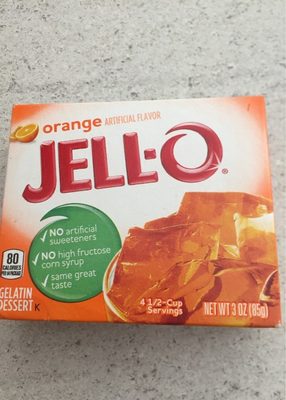
Gelatin Dessert, Orange
Halal Analysis
We recommend searching for certified Halal alternatives.
Pro Tip
Always double-check the label. Manufacturers change ingredients frequently without notice!